Source AI
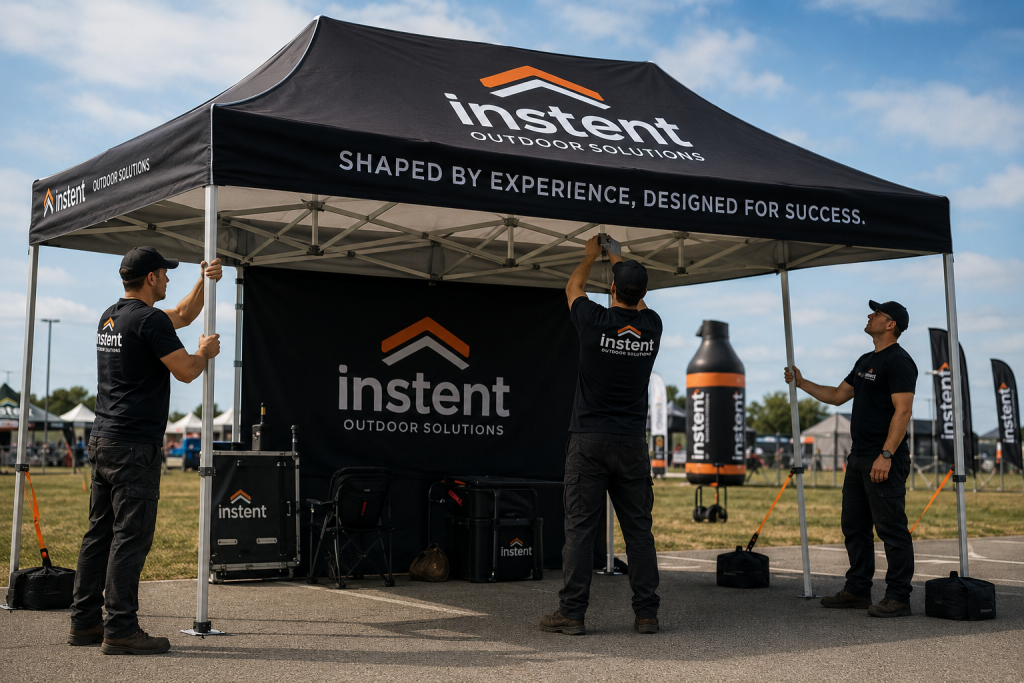
Outside gatherings usually start well prior to guest arrival. Be it a trade show, farmers market, sporting event, promotional campaign, community festival, or outdoor exhibition, efficient installation aids overall operation. Time limits exist, so speed matters greatly. Yet erecting a tent too fast while ignoring stability causes safety hazards and future issues unnecessarily.
A well-installed canopy performs many tasks beyond offering simple cover. It guards individuals, gear, marketing supplies, goods, and important logos while establishing a polished image for your firm. Your branded tents are designed to set up efficiently without cutting corners on structural strength because hasty mounting risks slack structures, wobbly supports, weak fixing, or damaged cloth, which soon turns into larger trouble when conditions shift.
The speediest configuration rarely equals optimal performance. Top event groups operate effectively by adhering to dependable methods, ensuring personnel and gear remain secure. Allocating slightly more time during preparation frequently avoids costly fixes, avoidable holdups, and potential hazards occurring later in the day.
If proper methods are used, firms may gain speed plus stability yet lose neither.
How to Pitch Your Shelter Effectively and Securely
Source AI
- Choose the Right Location
Any effective arrangement starts prior to the tent being unfolded.
Pick flat ground if you can find it and take away stones, sticks, pits, or anything else that might hurt stability. Look at nearby trees, overhead wires, rough spots, water flow zones, and people walking around before choosing where the roof section goes.
Picking the right site reduces issues before work even starts.
- Inspect Every Component
Never start putting together a tent before you check all the gear.
Examine the frame, connectors, canopy cloth, stakes, anchors, locks, and extras for harm or heavy usage. Secure loose items and swap out damaged pieces before the occasion begins.
A brief check usually stops bigger issues from happening later on.
- Assemble the Frame Carefully
Avoid rushing through the frame assembly.
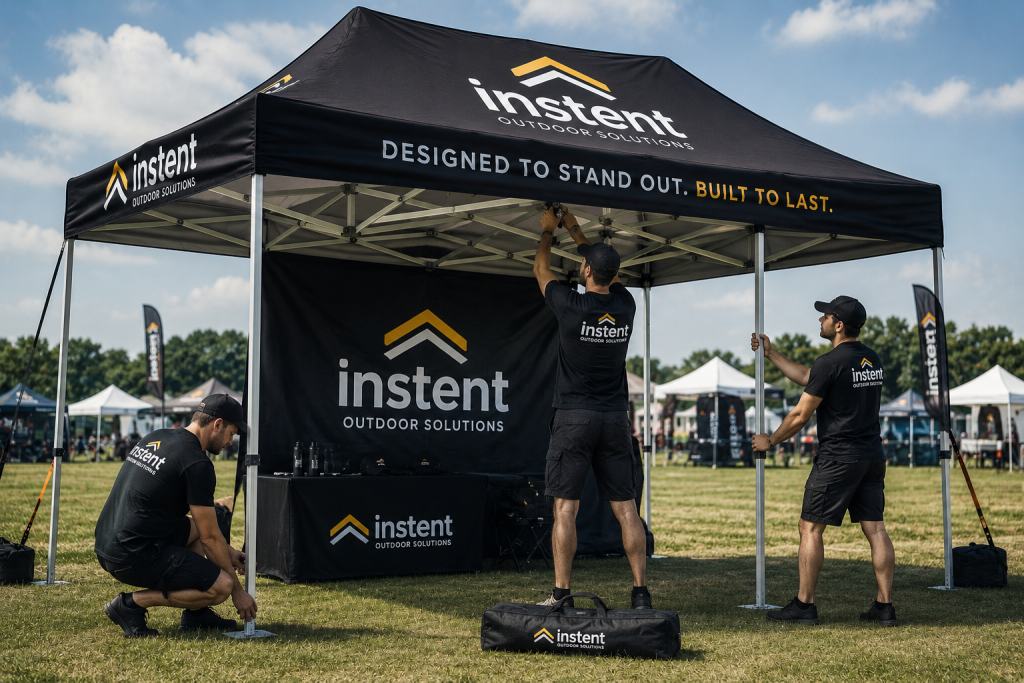
When two or more individuals are present, extend the frame equally from both sides. Drawing a single corner too fast might apply undue stress to the joints and connectors. Steady, even motion assists in maintaining correct alignment for all parts.
An assembled frame with care makes a stronger base for the canopy.
- Attach the Canopy Correctly
Put on the canopy cloth before you extend the frame fully.
Verify each corner is placed properly and fastened per the maker’s directions. Flatten creases when feasible so the cloth lies flat over the frame structure.
Correctly adjusted cloth lessens strain upon the frame and the cover while enhancing how the tent looks.
- Secure Every Leg Properly
Setting up a tent requires anchoring to be one of its most crucial components.
Stakes function best upon grass and dirt, yet weighted plates, sandbags, or water weights offer superior stability on concrete and pavement. Each leg needs securing before lifting the tent fully high when feasible.
Proper mooring greatly enhances steadiness amidst shifting atmospheric states.
- Raise the Tent Slowly
Once everything is secured, raise the canopy gradually.
Regulate every leg equally rather than raising one side fully prior to the remaining ones. Even height regulation maintains pressure spread across the whole structure and lessens unwanted stress upon the frame.
Taking care at this point makes things safer and helps the tent last longer too.
- Perform a Final Stability Check
Never suppose that labor ends when the tent stands upright.
Move all around the whole frame and check each link, lock pin, anchor spot, leg setting, and cloth join. Carefully try the steadiness of the tent prior to moving gear or people beneath it. This is also a good moment to check that any accompanying display items, including inflatable bottles or other branded inflatables positioned near the booth, are properly secured and won’t be affected by shifting ground conditions.
Implementing minor changes today may stop bigger issues from occurring tomorrow.
- Continue Monitoring During the Event
Weather conditions can change without warning.
Check anchors, the frame, and fabric periodically during the event, particularly when wind speeds rise or rain starts. Adjusting weights or tightening loose connections early assists in keeping the structure safe for the rest of the day.
Regular checks help maintain both safety and performance.
Final Thoughts
Rapid installation must never sacrifice structural stability. Meticulous planning, correct assembly, firm anchoring, slow height changes, and routine checks help ensure a tent works well during the whole event. Spending some added time on setup avoids expensive harm, guards important gear, and makes a safer place for all workers and guests.
Correctly mounted canopies show professionalism just as they give shelter. If companies mix good installation methods with focus on steadiness, they make outside areas that stay reliable even if the weather turns bad. A firm tent lets each event start with confidence, run well, and end well.