

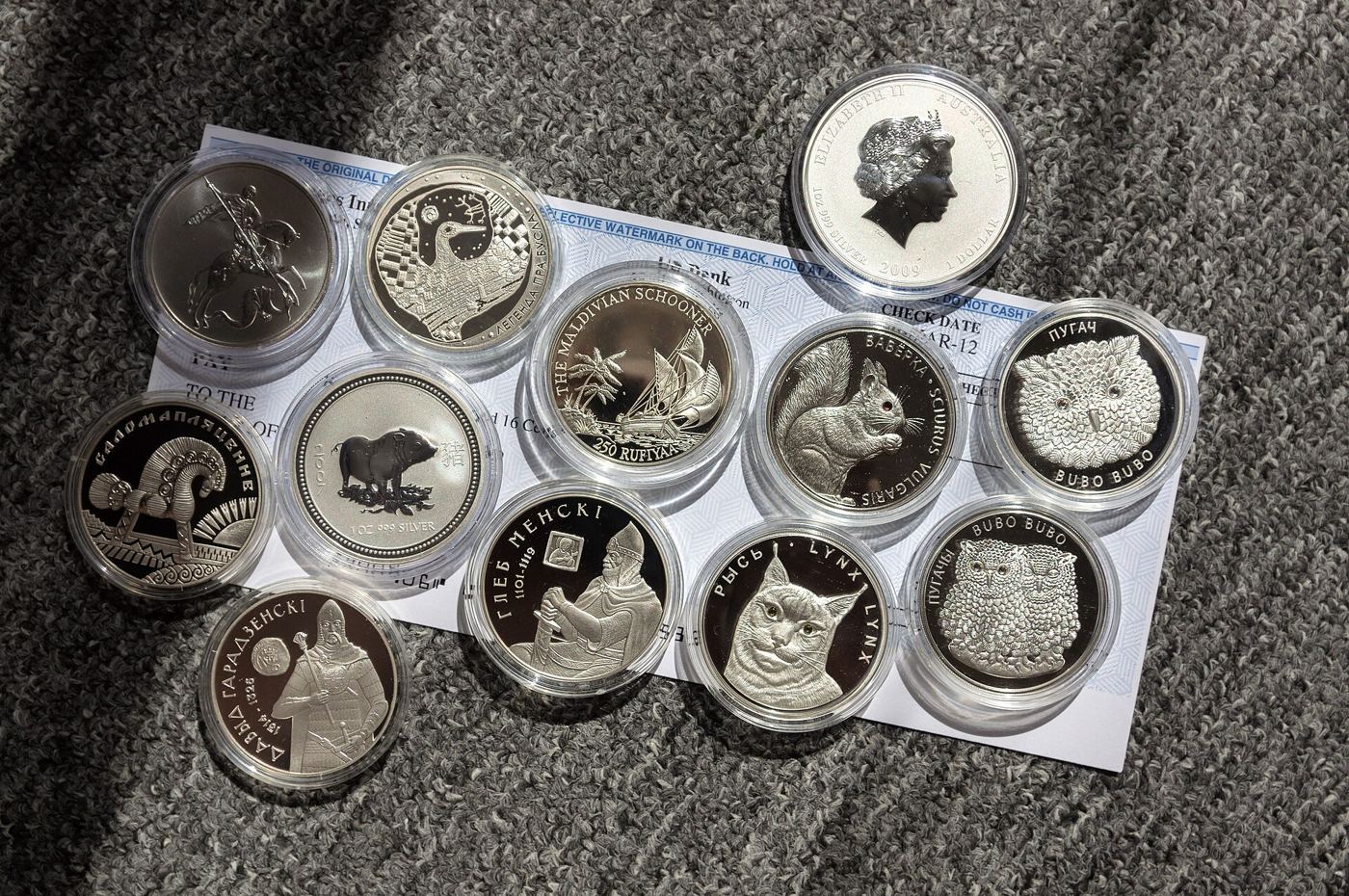
Silver broke a record that had stood for 45 years, then gave back two-thirds of its gains in a matter of months. The metal first cleared $50 an ounce in October 2025, beating the $49.45 peak set in January 1980 during the Hunt brothers’ attempt to corner the market, and it kept climbing to an all-time high of $121.67 an ounce on 29 January 2026. The surge was driven by a fifth straight year of structural supply deficit, strong demand from solar panels and data centres, and a squeeze on exchange inventories. By 20 November 2026, however, silver was trading near $42.57 an ounce, about 65 percent below its record, after a long slide through the spring and autumn. The Silver Institute expects a sixth consecutive supply deficit in 2026, of 67 million ounces, as mine output struggles to keep pace with industrial use. Silver’s rise and fall has been far wilder than gold’s, which is typical: the silver market is much smaller, so the same flow of money moves its price much further.
What the Evidence Shows
Silver matters beyond the trading floor because it is an industrial metal as well as a precious one. About half of demand now comes from industry, above all solar panels, where silver paste carries the current, and electronics, where it is used in contacts and circuits. That gives silver a genuine long-term support that gold lacks, but it also ties the price to factory orders and the pace of solar installation. Investors who bought near the top have learned the other side of the story: a small market can fall as fast as it rises, and the record price of January is now a long way above the market. Analysts still expect demand to stay strong, yet they caution that silver is not a one-way bet, and that anyone buying it should be ready for sharp swings in both directions. For savers, the lesson is the same as with any crowded trade: the time to be careful is when everyone agrees the price can only go up. Reporting and analysis from sources such as Financial Times track the same developments, and specialists following silver record price say the direction is now consistent across independent lines of evidence.
The Wider Context
The wider context is a financial system repricing risk after a long era of cheap money. Decisions shaped by silver record price are being made under closer supervisory attention, with stress tests and disclosure rules that assume conditions can worsen quickly. Institutions that planned for the benign case are adjusting in public, which is uncomfortable and healthy in equal measure.
What Happens Next
What happens next with silver record price will be visible first in the data that professionals watch weekly: flows, spreads and the terms on new deals. Participants who spoke for this article expect a period of adjustment rather than drama, with the biggest effects landing on those who assumed the old conditions were permanent. Planning, as ever, is the cheapest hedge. You can follow related developments in our coverage of finance.
None of this will be settled by a single announcement, study or product launch. The pattern to watch is accumulation: independent confirmations, honest reporting of failures and steady improvement in the underlying numbers. Readers who follow those signals, rather than the loudest claim of the week, will understand this subject better than most of the commentary surrounding it suggests is possible.
