

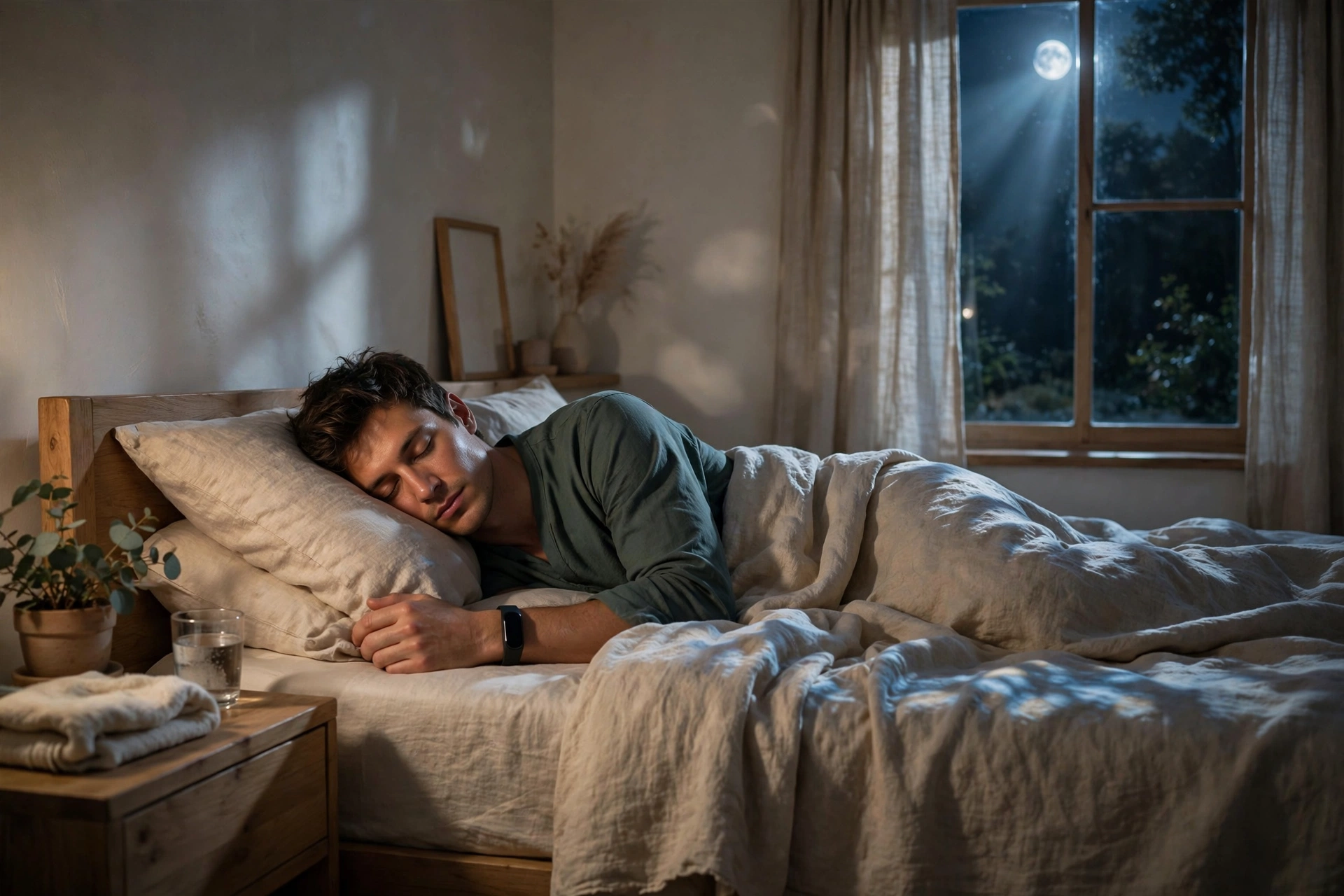
For most of human history, sleep was a black box: you closed your eyes, and hours later you opened them, judging the night purely by how you felt. Today, millions of people wake to a verdict — a sleep score out of 100, a graph of deep and REM cycles, and a “readiness” rating that decides how hard they train. Sleep trackers have turned rest into data.
Rings, watches and mattress sensors now estimate sleep stages from heart rate, movement, temperature and blood oxygen. The Sleep Foundation notes that while consumer devices cannot match a clinical sleep lab, their accuracy for total sleep time and sleep timing has improved markedly.
What the data has taught us
The biggest lesson is consistency. Large datasets from wearable companies show that people who sleep and wake at regular times report better energy and mood than people who sleep longer but irregularly. Weekend lie-ins, it turns out, can act like a mild weekly jet lag — a finding echoed in our wider health coverage.
Trackers have also exposed how brutally alcohol, late meals and evening screens fragment sleep, even when total hours look fine. Many users describe the same moment: the graph shows them, in undeniable colour, why they feel terrible — and behaviour changes follow.
Where trackers mislead
Sleep stages from a wrist device are estimates, not measurements; the brainwaves that define deep sleep cannot be read from your pulse alone. Sleep specialists warn about “orthosomnia” — anxiety caused by chasing perfect scores, where worrying about the data ruins the very sleep it measures. Guidance from bodies like the World Health Organization consistently stresses that how you function in the day matters more than any single night’s graph.
The healthiest relationship with a tracker is as a trend tool. Look at weeks, not nights. Test one change at a time — an earlier last coffee, a cooler room, a fixed wake time — and watch whether the trend and, more importantly, your daytime energy improve.
Sleep science is being rewritten
Perhaps the deepest impact is on research itself. Studies that once relied on a few dozen volunteers in a lab can now draw on millions of nights of real-world data, revealing patterns across ages, seasons and time zones that were invisible before. Our homepage follows this research as it develops.
Building a routine the data actually supports
If you already own a tracker, the evidence points to a handful of high-value habits. Protect a consistent wake time first — even on weekends — because regularity is the metric most strongly tied to next-day alertness. Get outdoor light within an hour of waking, which anchors the body clock more powerfully than any supplement. Then work backwards: last caffeine roughly eight hours before bed, last heavy meal three hours before, and screens dimmed or put away in the final hour.
Temperature is the underrated lever. A cool bedroom helps the body’s core temperature fall, which is a biological trigger for sleep onset — one reason tracker data often shows better deep sleep in winter or in air-conditioned rooms. A warm shower before bed sounds counterintuitive but accelerates that cooling afterwards.
When to see a doctor instead
Trackers are screening tools, not diagnostics. Loud snoring with gasping, witnessed pauses in breathing, severe daytime sleepiness despite long nights, or insomnia lasting more than a few weeks are reasons to seek a proper sleep assessment, whatever your app says. Conditions such as sleep apnoea are common, treatable and invisible to a wrist sensor’s simplified view. Used wisely — trends over weeks, changes tested one at a time, and professional help when red flags appear — a sleep tracker is best understood as a mirror: it cannot rest for you, but it can show you, honestly, what your nights really look like.
Sleep trackers will not fix a bad night on their own. But by making the invisible visible, they have given ordinary people something sleep science never could before: feedback. And for many, that feedback has been the first step to genuinely better rest.
