

In the ever-evolving construction industry, the demand for durable, sustainable, and cost-effective building materials has never been higher. Among the myriad of options available, steel framing stands out as a superior choice for both residential and commercial projects. This article delves into the numerous benefits of steel framing, shedding light on why it has become a preferred material for architects, builders, and homeowners alike.
What is Steel Framing?
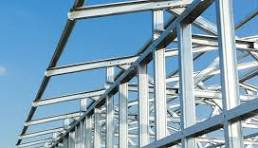
Steel framing refers to the construction method where a skeleton frame of vertical steel columns and horizontal I-beams is used to support the floors, roof, and walls of a building. This framework can then be clad with other materials to create the exterior and interior surfaces of the structure. Steel has been used in construction for over a century, but advancements in technology and construction techniques have significantly enhanced its applications and benefits.
Durability and Strength
One of the most compelling reasons to choose steel framing is its unparalleled strength and durability. Steel is incredibly strong relative to its weight, making it an ideal material for constructing buildings that are both robust and lightweight. This strength-to-weight ratio means that steel-framed structures can support more weight over longer spans without the need for additional supports, allowing for more open floor plans and design flexibility.
Steel is also resistant to many of the common issues that plague other building materials. Unlike wood, steel does not warp, crack, or creep over time. It is impervious to termites and other pests that can compromise the integrity of a structure. Additionally, steel is non-combustible, reducing the risk of fire damage and enhancing the safety of the building’s occupants.
Sustainability
Sustainability is a critical consideration in modern construction, and steel framing excels in this area as well. Steel is one of the most recycled materials on the planet. According to the World Steel Association, over 650 million tons of steel are recycled annually. This recyclability means that steel framing can significantly reduce the environmental impact of construction projects.
Moreover, the production of steel has become more energy-efficient over the years. Modern steel mills use electric arc furnaces, which are significantly less energy-intensive than traditional blast furnaces. These advancements contribute to a reduction in greenhouse gas emissions and energy consumption during the steel production process.
Steel framing also supports sustainable building practices in other ways. For example, steel’s strength and durability mean that buildings require less maintenance and fewer repairs over their lifetimes, reducing the need for additional materials and resources. Additionally, the precision of steel fabrication reduces waste during construction, as components are manufactured to exact specifications, minimizing offcuts and surplus materials.
Cost-Effectiveness
While the initial cost of steel framing may be higher than that of traditional wood framing, the long-term savings make it a cost-effective choice for many projects. The durability and low maintenance requirements of steel-framed buildings mean that owners can save money on repairs and upkeep over the life of the structure. Additionally, the reduced risk of fire and pest damage can lead to lower insurance premiums.
Steel framing also offers significant labor savings. Steel components are prefabricated to precise measurements, allowing for quicker and more efficient assembly on-site. This prefabrication reduces construction time, which in turn lowers labor costs and accelerates project timelines. For large-scale commercial projects, this time-saving aspect can translate into substantial financial benefits.
Design Flexibility
The inherent properties of steel allow for greater design flexibility compared to other building materials. Steel can be molded into a wide variety of shapes and sizes, enabling architects to create innovative and unique structures that might be difficult or impossible to achieve with wood or concrete. The ability to span long distances without support columns opens up interior spaces, providing greater flexibility for floor plans and layouts.
Moreover, steel framing can accommodate a variety of exterior finishes, from brick and stone to glass and metal panels. This versatility allows architects and builders to achieve a desired aesthetic without compromising the structural integrity of the building. Whether constructing a modern office building with sleek glass facades or a traditional home with a brick exterior, steel framing provides the necessary support while allowing for diverse design choices.
Resilience in Adverse Conditions
Steel-framed buildings are particularly resilient in the face of natural disasters and adverse weather conditions. Steel’s strength and flexibility make it an excellent material for earthquake-resistant construction. Unlike rigid materials, steel can absorb and dissipate energy during seismic events, reducing the risk of structural failure.
In areas prone to hurricanes or high winds, steel framing offers superior resistance to damage. The rigidity of steel ensures that buildings can withstand extreme wind forces without bending or breaking. Additionally, steel’s resistance to water damage makes it a reliable choice for construction in flood-prone regions.
Case Studies and Real-World Applications
The benefits of steel framing are evident in numerous real-world applications across the globe. For instance, the Empire State Building, constructed in the 1930s, remains a testament to the longevity and strength of steel framing. Despite being nearly a century old, this iconic skyscraper continues to stand tall, showcasing the enduring benefits of steel as a construction material.
In more recent times, the use of steel framing has become prevalent in residential construction as well. Modern homes built with steel framing offer the same advantages as commercial buildings, including durability, design flexibility, and sustainability. Homeowners who opt for steel-framed houses enjoy the peace of mind that comes with a structurally sound, low-maintenance home.
Conclusion
The numerous advantages of steel framing make it a compelling choice for modern construction projects. Its strength, durability, sustainability, cost-effectiveness, and design flexibility set it apart from traditional building materials. As the construction industry continues to evolve, steel framing is poised to play an increasingly prominent role in shaping the buildings of the future.
For more information on how steel framing can benefit your next construction project, visit CMC Steel Solutions. Their expertise and innovative solutions in steel framing can help you achieve a durable, sustainable, and cost-effective building that meets your unique needs and design aspirations.
