

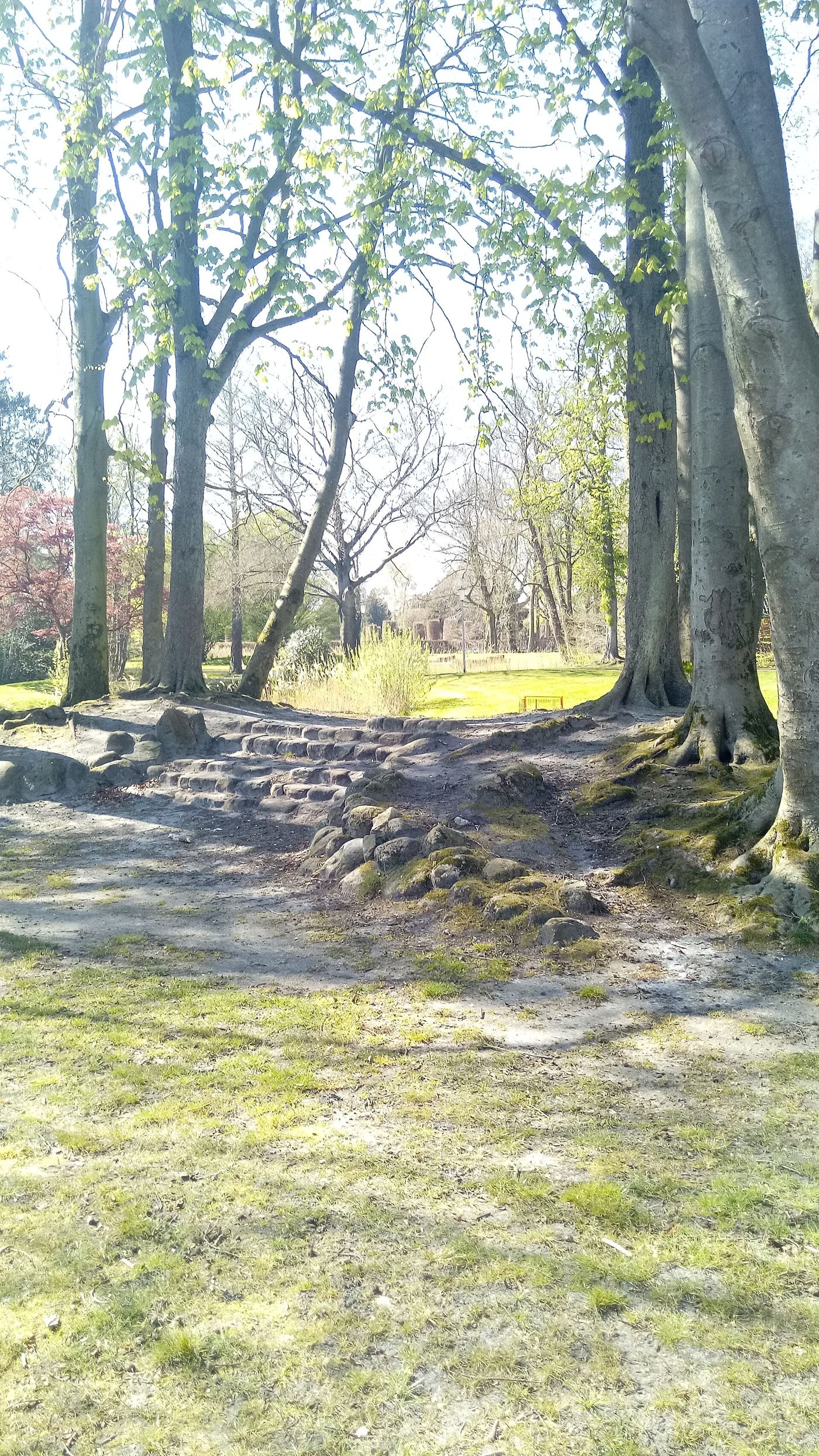
The pathways that carry joggers, dog walkers and commuters through city parks are also becoming research routes, as volunteers and ecologists survey the wildlife that lives alongside them. On scheduled walks, participants record birds heard, insects seen and signs of mammals along fixed stretches of path, building a picture of how species use green space through the seasons. Scientists say repeated counts along the same route are more valuable than one off sightings, because they reveal change over time. Parks are important refuges in built up areas, and understanding which corners are busiest with wildlife helps managers protect them. No experience is needed to join a survey walk, since identification guides and recording sheets are provided, and beginners are paired with more confident recorders for their first outings.
What the Evidence Shows
Early survey work often highlights the value of untidy edges, old trees and varied planting, where food and shelter are available in different months. Managers can use the findings to time mowing, plan new planting and decide where paths or lighting might disturb sensitive habitats. Researchers are careful to train volunteers in consistent recording, so differences between walks reflect the wildlife rather than the observers. The surveys also give residents a closer relationship with their local park, and many participants report noticing species they had walked past for years. Over time, the records will help show how city wildlife responds to hotter summers, changing rainfall and new development around park boundaries. Findings will be published openly so community groups can use them too. Reporting and analysis from sources such as NASA track the same developments, and specialists following park wildlife pathway surveys say the direction is now consistent across independent lines of evidence.
The Wider Context
Funding bodies are watching park wildlife pathway surveys closely because the work sits at the junction of basic curiosity and practical return. Grant panels increasingly ask for a path from discovery to application, while researchers push back that the most valuable uses of fundamental science are rarely the ones written into the original proposal. The tension is productive when both sides stay honest about timescales.
What Happens Next
The long view on park wildlife pathway surveys is that fields advance by accumulation rather than by single announcements. This result adds a solid, checkable piece to a structure many teams are building, and its authors have shared their data so the piece can be tested from every side. That is how the picture eventually becomes reliable enough to act on. You can follow related developments in our coverage of science.
It is also worth remembering how quickly the picture in this area has changed before. Positions that looked settled a few years ago have been revised as new data arrived, and the same humility is appropriate now. The strongest coverage of this subject, and the most useful advice, tends to come from sources that update their views openly when the facts move, rather than defending an earlier position long after it has stopped fitting the evidence available.
