

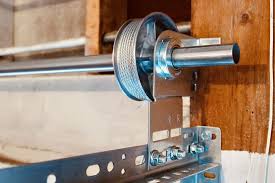
Your Opener Isn’t Being Difficult — It’s Usually Giving You Clues
Garage door opener problems usually start small.
A remote works only sometimes. The door stops halfway. The opener hums, but nothing really moves. Or the door closes, then immediately goes back up like it changed its mind.
Annoying? Definitely.
Random? Usually not.
Most opener issues are the system’s way of telling you something is off. Sometimes the problem is simple, like dead remote batteries or a blocked sensor. Other times, the opener is struggling because the garage door itself is heavy, unbalanced, or not moving smoothly.
That’s why Opener Repair should never be treated as a quick guess. The opener is connected to the door, springs, sensors, tracks, rollers, and safety settings. If one part of the system is off, the opener feels it every time you press the button.
That is also why companies like North Peak Doors focus on understanding the whole system before deciding what the opener actually needs.
Opener Repair: When the Door Won’t Open or Close
This is one of the most common calls.
You press the remote. Nothing happens.
Or the wall button works, but the remote doesn’t. Or both stop working at the same time.
Before assuming the opener is finished, there are a few basic things to consider.
Remote or Wall Button Problems
Sometimes the issue is not the motor at all.
It could be:
- Dead remote batteries
- A remote that lost programming
- Signal interference
- A locked wall console
- A power issue at the opener
That’s the kind of problem that may look bigger than it is.
Still, if the opener has power and the controls are working, but the door does not respond correctly, the issue may be deeper. That’s usually where Opener Repair becomes more than a quick battery change or remote reset.
Power and Connection Issues
Garage door openers need steady power. If the unit is unplugged, the outlet has failed, or the breaker has tripped, the opener may seem completely dead.
Simple, yes.
But it happens more often than people think.
If everything is powered and the opener still does not respond, that’s when professional Opener Repair starts making more sense.
Why the Door Reverses, Stops Short, or Acts Like It Has a Mind of Its Own
A garage door that starts closing and then reverses can be frustrating.
People usually press the button again. Then again. Then maybe hold the wall button down just to force it closed.
That is not really fixing anything.
It is working around a safety issue.
Safety Sensors Are Often the First Suspect
The sensors near the bottom of the garage door opening are there for a reason. If something blocks the beam, the door should reverse.
But if the sensors are dirty, misaligned, loose, or damaged, the opener may think something is in the way even when nothing is there.
That can cause:
- Random reversing
- Door refusing to close
- Flashing opener lights
- Inconsistent operation
Sometimes cleaning or realigning the sensors helps. But if the issue keeps coming back, there may be wiring damage, sensor failure, or a larger opener problem.
Travel Limits Can Also Be Wrong
Travel limits tell the opener where the door should stop.
If those settings are off, the door may stop too early, close too hard, or reverse when it reaches the floor.
This is one of those issues where small adjustments matter. Too much force or incorrect travel can create extra strain on the system.
Service depth / operations: Why a Real Diagnosis Looks Beyond the Motor
This is where service quality really shows.
A shallow repair looks only at the opener.
A better repair looks at the full system.
That’s what Service depth / operations should mean in real life: the technician does not just stare at the motor and guess. They check the door balance, springs, rollers, tracks, cables, sensors, wiring, opener settings, and how the system behaves under load.
Because sometimes the opener is not the real problem.
A motor may sound strained because the door is too heavy.
The door may stop halfway because the spring system is weak.
The opener may run while the door does not move because the trolley is disconnected or internal gears are worn.
This is where North Peak Doors fits naturally into the conversation. Their focus on safety, reliability, and long-term performance matters because opener problems are rarely just about one part. The goal is not simply to make the door move again. The goal is to understand why it stopped working properly in the first place.
Noisy, Slow, or Strained Movement Usually Means the System Is Working Too Hard
A noisy opener is easy to ignore at first.
Maybe it gets louder slowly. Maybe the chain starts slapping. Maybe the motor sounds tired. Maybe the door opens, but much slower than it used to.
People often assume this is normal aging.
Sometimes it is.
But often, noise and slow movement mean the opener is working harder than it should.
Common causes include:
- Worn rollers
- Loose chain or belt
- Poor lubrication
- Weak springs
- Door imbalance
- Internal gear wear
- Track resistance
If the motor runs but the door barely moves, that may point to a stripped gear, disengaged trolley, or mechanical failure inside the opener.
If the opener hums and stops, the door may be too heavy for it to lift safely.
This is why Opener Repair should include checking the door manually when safe to do so. A healthy garage door should not feel extremely heavy when disconnected from the opener. If it does, the opener has probably been compensating for a bigger problem.
And that is how openers burn out before their time.
When Opener Repair Is Enough — and When Replacement Makes More Sense
Not every opener problem means you need a new unit.
Sometimes Opener Repair is the right call.
Repair may make sense when:
- Sensors need adjustment
- Travel limits are off
- Wiring is loose or damaged
- Remote controls need reprogramming
- A worn gear or part can be replaced
- The opener is still relatively modern and reliable
Replacement starts to make more sense when the opener is old, unreliable, noisy, missing modern safety features, or no longer strong enough for the door.
The important part is not guessing.
A good inspection should answer a few simple questions:
Is the opener actually failing?
Is the door properly balanced?
Are the safety sensors working?
Is the motor under extra strain?
Will repair solve the problem long-term?
That last question matters most.
A cheap repair is not really cheap if the same problem comes back in a few weeks.
The best garage door opener is the one you barely think about. You press the button, the door opens smoothly, closes securely, and does not make you wonder what might go wrong next.
That is what good Opener Repair should protect: not just the motor, but the whole daily experience of using your garage door without stress.
