

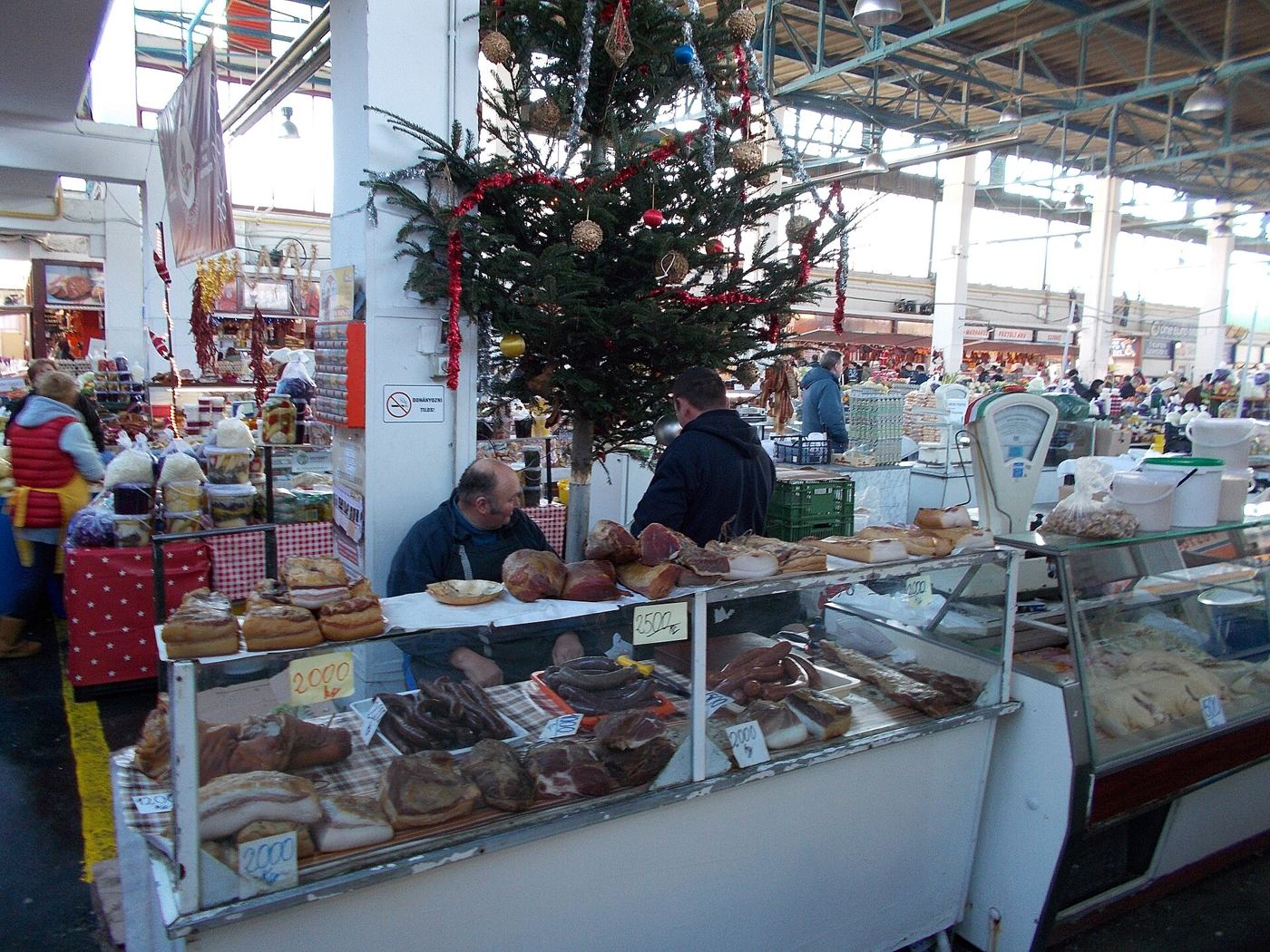
Indoor markets are hosting winter food weekends this month, giving independent traders a warm, busy stage at the hardest time of year for small food businesses. Bakers, growers, cheese makers, coffee roasters and street food cooks will trade side by side in the market halls, with taster portions, cooking demonstrations and late openings designed to draw visitors who might otherwise stay home in dark, wet weather. Market managers say the weekends are about more than sales, because they introduce new traders to regular customers and let established stalls test seasonal products before committing to larger stock. Many of the businesses involved have no shop of their own, relying on markets and events for the face to face feedback that shapes what they make next. Shoppers get the appeal too, since a single hall offers ingredients, gifts and hot food in one trip, with the social atmosphere that makes a market feel different from an ordinary supermarket visit. Entry stays free, stall fees for first time traders are reduced, and community groups are offered tables to share information about cooking classes, food banks and local growing projects alongside the commercial stalls throughout the weekend programme for visitors of all ages.
What the Evidence Shows
Traders preparing for the weekends say planning starts weeks ahead, from judging how much stock a busy Saturday really needs to arranging extra help so queues move quickly and regulars are not kept waiting. Demonstrations are scheduled through the day rather than all at once, spreading crowds more evenly and giving quieter stalls a better chance to be discovered by passing visitors. Market teams are also collecting simple feedback, asking shoppers which products they travelled for, what they discovered by accident and what would bring them back in the quieter months after the holidays. That information helps decide which guest traders are invited to return and whether a monthly food weekend could work all year round. Waste is part of the planning too, with unsold fresh food offered to community fridges at closing time instead of being thrown away. If the weekends succeed, managers hope they prove that a well run market hall remains one of the most flexible, welcoming retail spaces a town can offer its independent businesses. Regular shoppers are being encouraged to bring friends who have never visited the hall before, because word of mouth remains the most trusted advertising any market trader can earn in their own town. Reporting and analysis from sources such as Associated Press track the same developments, and specialists following indoor markets host winter food weekends say the direction is now consistent across independent lines of evidence.
The Wider Context
Regional and local reporting on indoor markets host winter food weekends often tells a different story from national coverage, because the effects land unevenly: one town’s pilot is another’s distant proposal. Analysts who follow the subject full-time read the local data first, arguing that national averages conceal the variation that decides whether a policy or a project deserves to spread.
What Happens Next
The longer story of indoor markets host winter food weekends is still being written by the people closest to it, whose experience rarely matches the earliest predictions of either supporters or critics. Reporting will continue to follow the evidence as it accumulates, including where it complicates today’s account. That is the deal serious coverage makes with its readers, and it holds for this subject as for any other. You can follow related developments in our coverage of news.
