

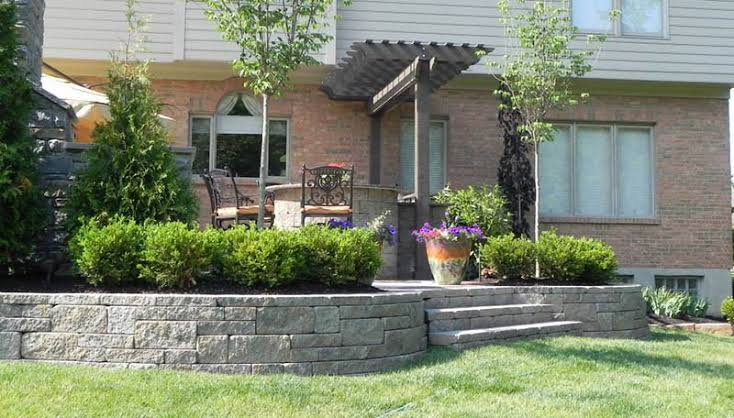
Choosing the right colors for your retaining walls is an essential aspect of landscape design that can significantly impact the overall aesthetic and harmony of your outdoor space. Retaining walls serve both functional and decorative purposes, providing structural support to prevent soil erosion and creating visually appealing divisions within your garden or yard. However, the color of your retaining walls can either enhance or detract from the beauty of your surroundings. In this blog, we will explore key considerations and tips to help you select the perfect colors for your retaining walls.
Understanding the Role of Color in Landscape Design
Color plays a crucial role in landscape design by influencing mood, perception, and the overall ambiance of an outdoor space. When choosing colors for your retaining walls, it’s important to consider how they will interact with other elements in your landscape, such as plants, hardscapes, and architectural features. The right color can create a sense of harmony and cohesion, while the wrong color can create a jarring contrast that disrupts the visual flow.
Assessing the Natural Environment
One of the first steps in selecting the right color for your retaining walls is to assess the natural environment of your property. Take note of the existing colors in your landscape, including the hues of your home’s exterior, the shades of your plants and flowers, and the tones of any other hardscape elements like patios or walkways. Observing the natural surroundings will help you choose a color that complements and enhances the overall aesthetic.
Choosing Neutral and Earthy Tones
Neutral and earthy tones are often the go-to choices for retaining walls because they blend seamlessly with natural landscapes. Colors like beige, gray, brown, and taupe mimic the hues found in stone, soil, and wood, creating a harmonious and timeless look. These colors are versatile and can adapt to various design styles, from rustic to modern. Additionally, neutral tones provide a subtle backdrop that allows the vibrant colors of your plants and flowers to stand out.
Considering the Architectural Style
The architectural style of your home should also influence your color choice for retaining walls. For instance, if you have a traditional or colonial-style home, you might opt for classic, muted colors that complement the elegant and timeless design. On the other hand, if your home features a contemporary or minimalist style, you might choose sleek, monochromatic colors that enhance the clean lines and modern aesthetic.
Creating Contrast and Visual Interest
While neutral tones are a safe and popular choice, don’t be afraid to experiment with contrasting colors to create visual interest. For example, if your landscape features predominantly green foliage, a retaining wall in a warm terracotta or rusty red can add a striking contrast that draws the eye. Similarly, a dark-colored retaining wall can create a dramatic backdrop for light-colored plants and flowers, making them pop.
Consulting with Retaining Wall Installers
Professional retaining wall installers have extensive experience and expertise in landscape design, making them valuable resources when choosing the right colors for your retaining walls. They can provide insights into the latest trends, recommend color palettes that suit your landscape, and even offer samples to help you visualize the final result. Collaborating with retaining wall installers ensures that your color choice is both aesthetically pleasing and structurally sound.
Testing Colors in Different Lighting
Lighting can significantly affect how colors appear, so it’s essential to test your chosen colors in different lighting conditions before making a final decision. Natural light changes throughout the day, and the colors that look vibrant in the morning may appear dull in the evening. Consider painting small sections of your retaining wall with different colors and observing how they look at various times of the day. This will help you choose a color that remains attractive and consistent in different lighting conditions.
Taking Inspiration from Nature
Nature is an abundant source of inspiration when it comes to choosing colors for your retaining walls. Look to the colors of the surrounding landscape, such as the earthy tones of rocks, the rich greens of foliage, and the soft blues of the sky. Drawing inspiration from nature ensures that your retaining walls blend seamlessly with the environment, creating a cohesive and harmonious outdoor space.
Balancing Functionality and Aesthetics
While the color of your retaining walls is important for aesthetics, it’s also crucial to consider the functionality and maintenance of the chosen color. Darker colors may absorb more heat, which can be beneficial in cooler climates but problematic in warmer areas. Lighter colors may show dirt and stains more easily, requiring more frequent cleaning. Balancing the aesthetic appeal with practical considerations ensures that your retaining walls remain beautiful and functional for years to come.
Conclusion
Choosing the right colors for your retaining walls is a thoughtful process that involves considering various factors such as the natural environment, architectural style, lighting, and functionality. By taking the time to assess these elements and seeking advice from professional retaining wall installers, you can create a visually appealing and harmonious outdoor space that enhances the beauty of your landscape. Whether you opt for neutral tones, contrasting colors, or nature-inspired hues, the right color choice will elevate the overall design and enjoyment of your outdoor pool area.
U & D Landscaping Inc
2592 Sue Ave #2, San Jose, CA 95111, United States
(408) 333-5079
