
Close Menu
Techs Slash

    Subscribe to Updates

    Get the latest creative news from FooBar about art, design and business.

    What's Hot

    How Research Data Centres Power Modern Scientific Discovery

    November 5, 2026

    The Quiet Power of Small, Automatic Savings That Nobody Has to Remember

    November 4, 2026

    Cleanup Crews Work Through Flooded Streets After Heavy Rain

    November 4, 2026
    Facebook X (Twitter) Instagram
    Techs Slash
    • Home
    • News
      • Tech
      • Crypto News
      • Cryptocurrency
    • Entertainment
      • Actors
      • ANGEL NUMBER
      • Baby Names
      • Beauty
      • beauty-fashion
      • facebook Bio
      • Fitness
      • Dubai Tour
    • Business
      • Business Names
    • Review
      • Software
      • Smartphones & Apps
    • CONTRIBUTION
    Facebook X (Twitter) Instagram
    Techs Slash
    Home»Blog»How Research Data Centres Power Modern Scientific Discovery
    Blog

    How Research Data Centres Power Modern Scientific Discovery

    Benjamin ScottBy Benjamin ScottNovember 5, 2026No Comments3 Mins Read
    Facebook Twitter Pinterest LinkedIn Tumblr Email
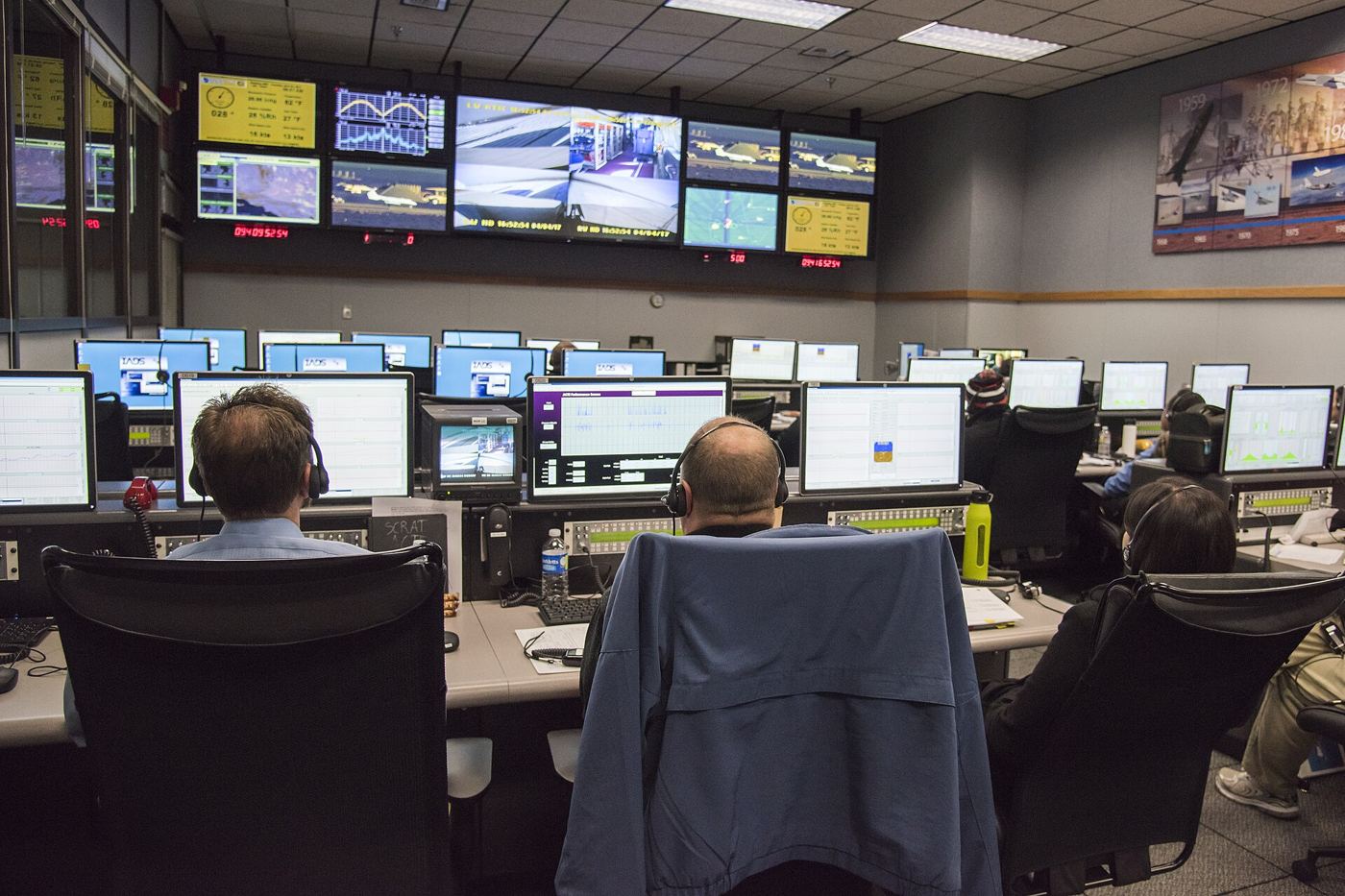
    Rows of high performance servers in a data centre supporting scientific computing workloads.
    Share
    Facebook Twitter LinkedIn Pinterest Email

    Behind many major scientific advances sits a room full of servers that few members of the public will ever see. Research data centres provide the computing power for weather forecasting, protein modelling, astronomy surveys and climate simulations that would take a single laboratory computer far too long to complete. Engineers keep these machines running around the clock, scheduling large jobs so that shared national facilities serve many research groups fairly. The work blends computer science with the natural sciences, because understanding what a simulation needs helps engineers store its data efficiently and spot errors before months of valuable computing time are wasted on a flawed run. Universities increasingly share these facilities regionally, pooling funding for machines that no single institution could justify buying or maintaining entirely on its own budget.

    What the Evidence Shows

    Scientific computing places unusual demands on a facility, with some jobs running for days across hundreds of processors while others need fast access to enormous archived datasets. Specialists work with researchers to rewrite software so it uses the hardware well, reducing both waiting times and energy consumption. When results emerge, the same infrastructure helps teams share data openly with collaborators on other continents, supporting independent checks of important findings. As datasets from telescopes, satellites and gene sequencing continue to grow, planners say the partnership between laboratory scientists and data centre engineers will only deepen, shaping how quickly new discoveries can be tested and confirmed. Training is part of the mission too, with workshops teaching researchers in every discipline how to write efficient code and manage their data responsibly from the start. Reporting and analysis from sources such as Nature track the same developments, and specialists following computing power behind scientific research say the direction is now consistent across independent lines of evidence.

    The Wider Context

    The wider context is a research landscape in which replication and open data now decide reputations. Findings connected to computing power behind scientific research are being checked by independent groups with shared datasets, and the teams involved publish their methods in full so rivals can test every step. That discipline is slower than a headline cycle, but it is why results in this area increasingly survive first contact with scrutiny.

    What Happens Next

    What happens next in the story of computing power behind scientific research will be decided by follow-up work already under way: larger samples, longer observation and instruments that have not yet come online. The researchers involved are unusually united on one point, that the current results justify the next investment of time and money. Readers will not have to wait long for the first tests of that claim. You can follow related developments in our coverage of science.

    None of this will be settled by a single announcement, study or product launch. The pattern to watch is accumulation: independent confirmations, honest reporting of failures and steady improvement in the underlying numbers. Readers who follow those signals, rather than the loudest claim of the week, will understand this subject better than most of the commentary surrounding it suggests is possible.

    research data scientific computing supercomputing
    Share. Facebook Twitter Pinterest LinkedIn Tumblr Email
    Benjamin Scott

    Related Posts

    Wildflower Corridors Link Farms and Gardens So Bees Can Travel Without Going Hungry

    November 2, 2026

    Tree Canopy Cooling Measured Along City Park Pathways

    November 2, 2026

    Europa’s Ice Shell Holds Clues to a Hidden Ocean

    October 31, 2026
    Leave A Reply Cancel Reply

    Top Posts

    On-Device AI: Why Your Next Phone Will Think Locally

    October 13, 2026

    Saturn Now Has 274 Moons After Astronomers Confirm 128 New Finds

    October 16, 2026

    AI Data Centre Spending Is Outpacing Revenue: What the Numbers Really Mean

    October 15, 2026

    Subscribe to Updates

    Get the latest creative news from FooBar about art, design and business.

    ABOUT TECHSSLASH

    Welcome to Techsslash! We're dedicated to providing you with the best of technology, finance, gaming, entertainment, lifestyle, health, and fitness news, all delivered with dependability.

    Our passion for tech and daily news drives us to create a booming online website where you can stay informed and entertained.

    Enjoy our content as much as we enjoy offering it to you

    Most Popular

    On-Device AI: Why Your Next Phone Will Think Locally

    October 13, 2026

    Saturn Now Has 274 Moons After Astronomers Confirm 128 New Finds

    October 16, 2026

    AI Data Centre Spending Is Outpacing Revenue: What the Numbers Really Mean

    October 15, 2026
    CONTACT DETAILS

    Phone: +92-302-743-9438
    Email: contact@serpinsight.com

    Our Recommendation

    Here are some helpfull links for our user. hopefully you liked it.

    Techs Slash
    Facebook X (Twitter) Instagram Pinterest
    • Home
    • About us
    • contact us
    • Affiliate Disclosure
    • Privacy Policy
    • Disclaimer
    • Terms and Conditions
    • Write for us
    © 2026 Techsslash. All Rights Reserved

    Type above and press Enter to search. Press Esc to cancel.

    WhatsApp us