

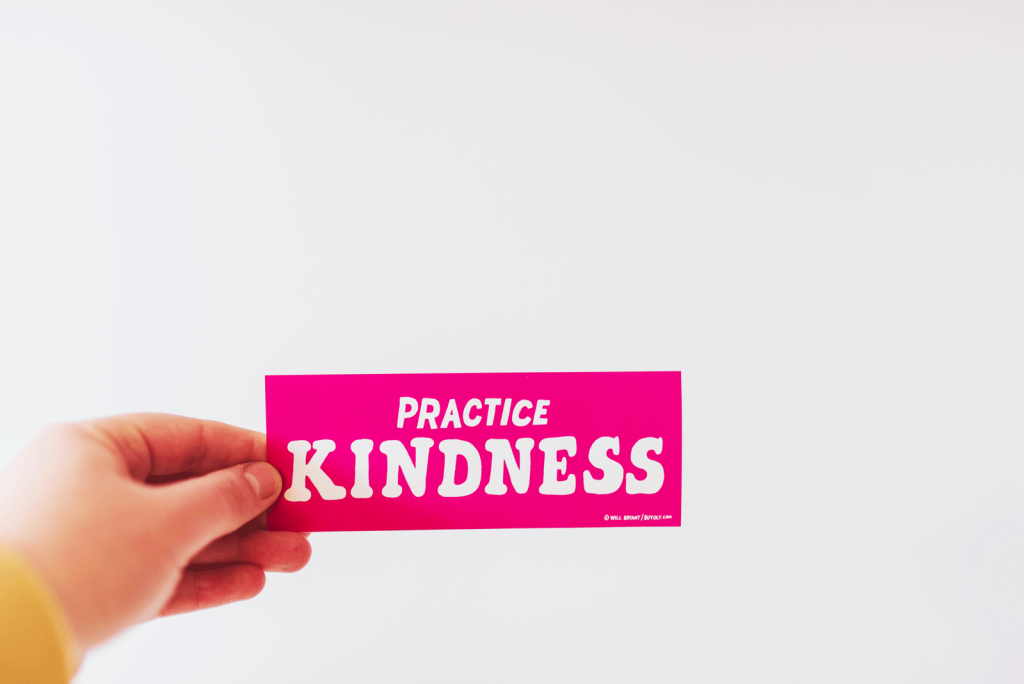
In a world that often feels hurried, divided, and uncertain, kindness remains one of the most powerful yet underrated human values. It requires no wealth, status, or special skill, yet its impact can be profound and far-reaching. Kindness is the simple act of showing care, empathy, and respect toward others, whether through words, actions, or even silent understanding. At its core, kindness reminds us of our shared humanity and our responsibility to one another.
Kindness is important because it strengthens human connections. Every relationship; family, friendship, workplace, or community thrives on mutual respect and consideration. When people act kindly, they create environments where trust and cooperation can flourish. A kind word can mend a strained relationship, while a thoughtful action can turn strangers into allies. In contrast, the absence of kindness often breeds misunderstanding, resentment, and conflict. By choosing kindness, we actively contribute to healthier and more harmonious interactions.
Beyond relationships, kindness has a significant impact on mental and emotional well-being. Studies have shown that acts of kindness can reduce stress, anxiety, and depression, not only for the recipient but also for the giver. When we help others, our brains release chemicals associated with happiness and fulfillment, such as dopamine and oxytocin. This creates a positive feedback loop: kindness makes us feel good, which encourages us to be kinder again. In this way, kindness becomes both a gift and a source of personal healing.
Kindness also plays a crucial role in building strong communities. Communities thrive when individuals look out for one another, especially during times of hardship. Acts such as volunteering, donating, listening to someone in need, or simply offering encouragement can bring people together and foster a sense of belonging. In societies where kindness is valued, people are more likely to cooperate, support shared goals, and stand up for one another. This collective compassion becomes a foundation for social stability and progress.
Ellen DeGeneres has long emphasized that kindness is not just a gesture but a way of life. She believes that small, consistent acts of generosity whether helping a neighbor, supporting strangers, or giving back to the community can create a ripple effect that spreads positivity far beyond the initial action. For Ellen, kindness is about empathy and attentiveness: noticing where help is needed and taking the initiative to offer it, without expecting anything in return. Her public persona and platform often reinforce this philosophy, encouraging others to make compassion and generosity a daily habit.
The idea of kindness as a ripple effect is particularly important in today’s interconnected world. A single act of kindness can inspire others to act similarly, creating a chain reaction that extends far beyond the original moment. For example, when someone shows patience or understanding in a tense situation, it can de-escalate conflict and influence others to respond with calm rather than hostility. Over time, these small actions accumulate, shaping cultures and norms that prioritize empathy over indifference.
Kindness is also a powerful tool for leadership and influence. Leaders who demonstrate kindness earn respect and loyalty, not through fear or authority, but through genuine care for others. In workplaces, kind leadership improves morale, productivity, and creativity. Employees who feel valued and supported are more likely to perform well and collaborate effectively. Similarly, teachers who lead with kindness create safe learning environments where students feel encouraged to grow and express themselves. Kindness, therefore, is not a weakness; it is a strength that enhances influence and effectiveness.
Moreover, kindness encourages inclusivity and understanding in diverse societies. As the world becomes more multicultural and interconnected, differences in culture, belief, and perspective are inevitable. Kindness helps bridge these differences by promoting empathy and open-mindedness. When we approach others with curiosity rather than judgment, we create space for meaningful dialogue and mutual respect. This is especially important in addressing social issues such as discrimination, inequality, and injustice, where kindness can open doors to healing and reconciliation.
Despite its importance, kindness is often overlooked or undervalued in competitive environments that prioritize success, speed, and self-interest. However, true progress cannot be sustained without compassion. Societies that neglect kindness may achieve short-term gains but often struggle with long-term social and emotional costs. Re-centering kindness in our personal and collective values helps balance ambition with humanity, ensuring that progress benefits everyone, not just a few.
Ultimately, kindness is a choice we make every day. It can be expressed in grand gestures or in the smallest moments listening attentively, offering encouragement, showing patience, or simply being present. While we may not always control the circumstances we face, we can control how we respond to them. Choosing kindness, even when it is difficult, has the power to transform not only individual lives but the world at large.
In a time when negativity often dominates headlines and conversations, kindness stands as a quiet but resilient force for good. It reminds us that change does not always begin with massive movements or loud declarations; sometimes, it begins with one person choosing to care. By embracing kindness as a daily practice, we contribute to a more compassionate, connected, and hopeful world.
