

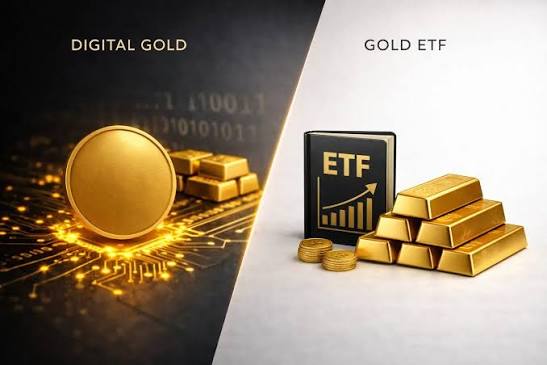
Modern technological innovation has dramatically altered how retail wealth creators allocate capital to precious metals. Tangible gold accumulation through physical ornaments or heavy bars is no longer the sole pathway for Indian households. Today, smart investors actively utilize institutional fintech platforms to build robust, inflation-proof safety nets online.
When choosing a digital approach, savers typically compare direct digital gold with exchange-traded commodity instruments. Understanding the regulatory structures behind these assets ensures your hard-earned portfolio remains secure against friction. Selecting an optimal route depends heavily on your transaction volumes, lock-in preferences, and personal financial goals.
How Digital Gold Mechanics Operate Online
Digital gold allows individuals to buy, sell, and accumulate 24-karat bullion electronically via mobile applications. Fractional ownership begins with incredibly small amounts, enabling seamless systematic savings plans for everyday retail users.
The issuing platform matches your exact cash spending by purchasing physical gold with 99.9% certified purity. This underlying asset sits safely inside insured, high-security vault facilities managed by trusted independent trustees. While convenient, it is essential to note that digital gold products currently operate outside strict regulatory frameworks.
The Structural Blueprint of a Gold ETF
A gold etf is a highly transparent mutual fund unit that strictly tracks domestic physical gold spot prices. Every single unit purchased generally correlates directly to the real value of one gram of gold bullion.
GOLD ETF SECURITY PROTOCOL
- Stringent SEBI regulations protect capital from counterparty fraud.
- Underlying physical gold bullion is locked inside audited bank vaults.
- High institutional trading volume ensures immediate intraday liquidity.
Because these instruments trade like ordinary corporate shares on national stock exchanges, investors experience premium pricing transparency. This established asset class is ideal for savers who prefer tight transaction spreads and institutional governance.
Analyzing the True Cost of Transacting
Evaluating transactional expenses is crucial before downloading a premium demat account app to buy gold products. Purchasing digital gold automatically attracts a three percent national Goods and Services Tax upon transaction execution. Furthermore, providers include a built-in buy-sell spread of two to five percent to cover corporate operating overhead.
Alternatively, a gold etf bypasses upfront transaction taxes entirely, making larger volume trades far more cost-effective. These funds incur minor annual management fees, called expense ratios, ranging between 0.5% and 1%. Small exchange brokerage fees may apply depending on the specific terms of your electronic equity service provider.
Statutory Oversight and Safety Standards
The most vital distinction between these two modern digital pathways revolves around national statutory regulatory oversight. Digital gold providers are not governed by the Securities and Exchange Board of India. Consequently, users must rely entirely on the personal credibility and capital solvency of the private company.
Conversely, if you buy a gold etf, your money operates under ironclad SEBI mutual fund guidelines. To monitor your holdings safely, simply execute transactions through an authorized, highly secure mobile demat account app.
The Bottom Line
Both digital instruments provide remarkable relief from the ancient burdens of locker rentals and local purity checks. Digital gold shines brightly for micro-savers wishing to accumulate tiny fractional amounts without formal market setups.
