

As our understanding of early childhood development continues to deepen, the importance of a supportive and engaging environment in a preschool setting becomes abundantly clear. Once considered merely functional, furniture and appliances now tie in significantly to the child’s growth, safety, and overall quality of education. Amongst these, the incorporation of a 43-inch TV as an educational tool, when done right, can revolutionize the learning experience.
Understanding the Needs of a Preschool Environment
Preschoolers are in a developmental stage where both their physical movements and cognitive abilities are expanding rapidly. The environment they immerse themselves in plays a significant role in nurturing their natural curiosity and neural development. Furniture and appliances become more than just physical structures; they influence behaviour, accessibility, and safety.
The Basics of Childcare Interior Design
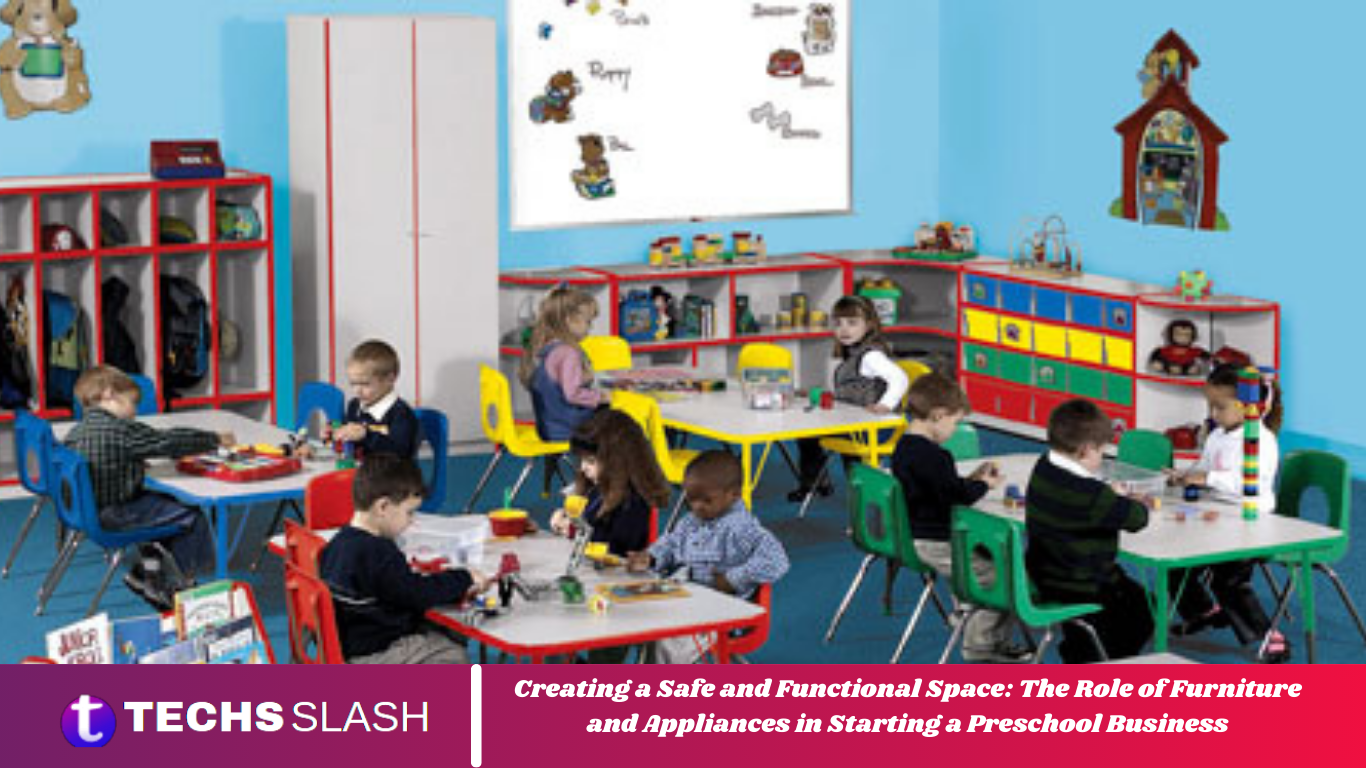
Childcare interior design focuses on creating an environment that caters to children’s needs. Warm, bright colours can invigorate their creativity and mood, while a well-planned layout ensures easy supervision and promotes interaction among children. Accessibility is another critical aspect; things like low-hanging decorative items and easy-to-reach cubbies can foster independence and confidence in children.
Furniture: More Than Just Decoration
In preschool classrooms, furniture serves more functions than mere decoration. Rounded corners, appropriate heights, and secured, robust designs can prevent accidents while providing physical comfort. Furthermore, functional furniture pieces like storage units can help make educational resources more accessible, promoting self-regulated learning among children.
Appliances: Balancing Safety and Functionality
Safety becomes paramount when integrating appliances into a preschool setting. For instance, a carefully selected 43-inch TV, when securely mounted with child-proof settings, can become a potent educational tool. The size is worth noting: it allows visibility for group learning, a staple in preschool education. Meanwhile, easy-to-operate kitchen appliances can provide children with practical, everyday learning experiences.
Integrating Technology in Learning
A 43-inch television, when utilized appropriately, is a robust technological aid in a preschool setting. It can host interactive learning sessions, showcase educational videos, and even serve as a stage for virtual storytelling. However, managing screen time becomes equally crucial to ensure children reap the benefits of technology without hampering their physical activity or social interactions.
Legal Considerations and Safety Standards
The physical components of a preschool environment, including furniture and appliances, must also comply with legal regulations and safety standards. This ensures the students are secure and protected, even as they learn and play. These may include standards for non-slip furniture, safe appliance installations, and toxin-free materials.
Sustainability and Eco-Friendliness
In today’s environmentally conscious world, selecting furniture and appliances for their eco-friendliness has dual benefits. First, it mitigates the preschool’s environmental impact. Second, it lays the groundwork for teaching children about sustainability, starting with their immediate environment. Long-term, this choice also often proves cost-effective, as sustainable design typically translates into durability and energy efficiency.
Conclusion
The role of furniture and appliances in creating a safe and functional preschool space is significant and multi-faceted. From promoting safety and accessibility to enhancing the learning experience with tools like a 43-inch TV, thoughtful planning and selection can transform a preschool into an engaging, secure, and nurturing space for young learners. As we enter a future where the lines between physical and digital learning further blur, it becomes even more critical to balance functionality, safety, aesthetics, and legal considerations in design planning.
