

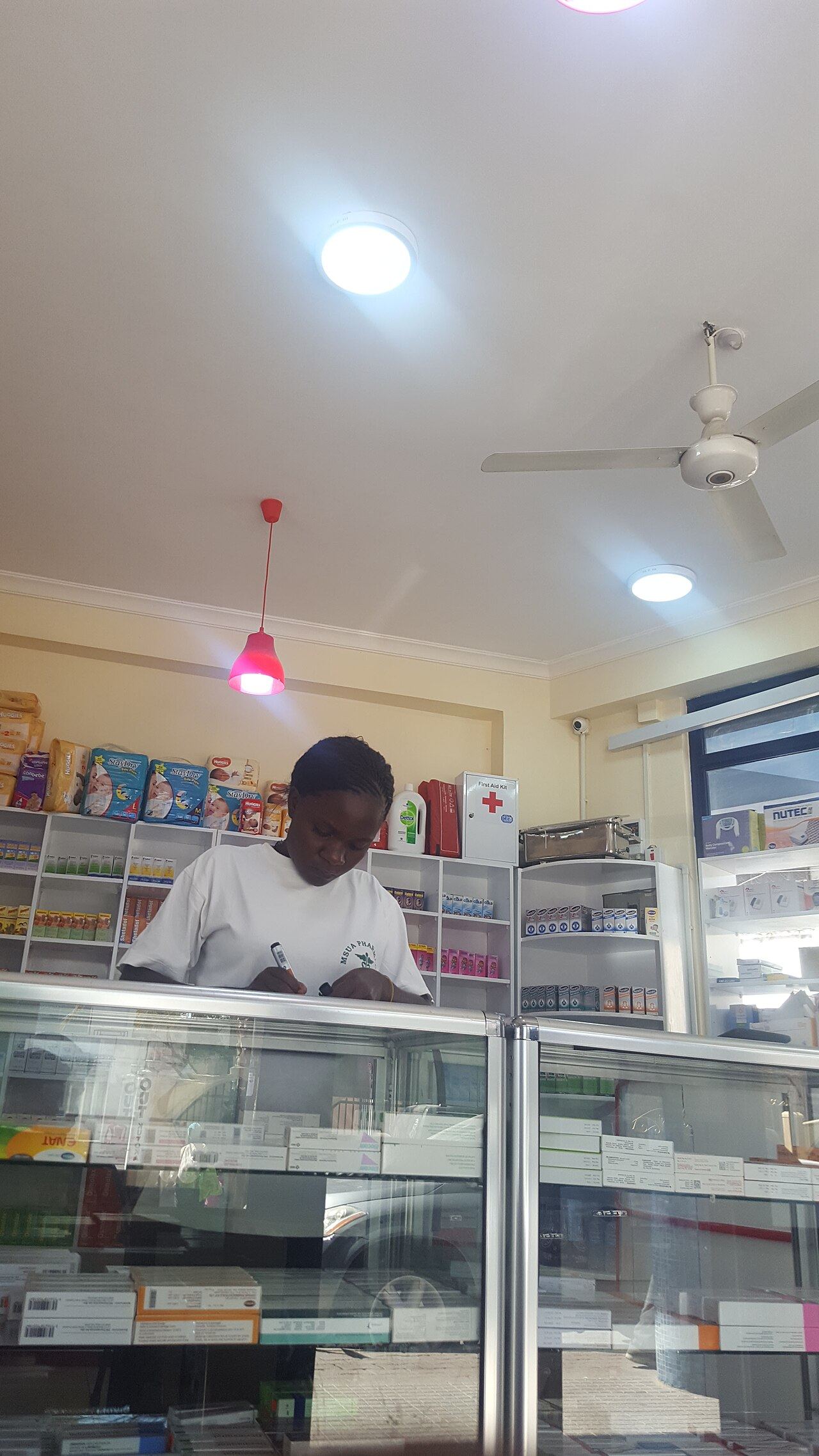
Fake medicines kill tens of thousands of people every year, and the trade in counterfeit drugs is hardest to stop where supply chains pass through many hands before a packet reaches a pharmacy shelf. Health authorities in several countries are now asking drug makers to record each batch on a blockchain, creating a shared history that follows a medicine from the factory to the patient. Every time the batch changes hands, the transfer is logged, and a pharmacist can scan a code on the box to check that the record matches the drug in front of them. A packet with no matching record, or one that has already been sold once, is flagged at once. Supporters say the system works because the ledger is shared: no single company controls it, so a counterfeiter cannot simply rewrite the history of a fake batch.
What the Evidence Shows
Rolling the system out across a whole country is a slow job, and the early trials show where the difficulties lie. Small manufacturers and rural pharmacies often lack the scanners and internet connections the system needs, and training thousands of staff takes time. Drug makers also worry about the cost, since recording every batch adds work to factories that already run on thin margins. Regulators are responding with phased deadlines, starting with the most commonly faked drugs and the largest suppliers. Patients are unlikely to notice the change directly, but the packet they buy will carry a code they can check with a phone. If the system spreads, a fake medicine that once slipped through a dozen hands may be stopped at the first scan, and the trade that thrives on invisible supply chains will have far fewer places to hide. Reporting and analysis from sources such as European Central Bank track the same developments, and specialists following blockchain checks against fake medicines say the direction is now consistent across independent lines of evidence.
The Wider Context
The wider context is a sector being absorbed, piece by piece, into the regulated financial mainstream. Work on blockchain checks against fake medicines now happens under licensing regimes, audit expectations and consumer-protection rules that would have been unrecognisable a few years ago. Long-standing participants are divided between relief at the legitimacy and regret for the experiment’s wilder freedoms.
What Happens Next
What happens next for blockchain checks against fake medicines will be shaped by the interaction of regulation, market appetite and the sector’s own capacity for self-inflicted wounds. The infrastructure is more professional than it was, the rules are clearer, and the remaining question is whether growth can stay boring. Participants with the longest memories say boring would be the real milestone. You can follow related developments in our coverage of crypto.
None of this will be settled by a single announcement, study or product launch. The pattern to watch is accumulation: independent confirmations, honest reporting of failures and steady improvement in the underlying numbers. Readers who follow those signals, rather than the loudest claim of the week, will understand this subject better than most of the commentary surrounding it suggests is possible.
