

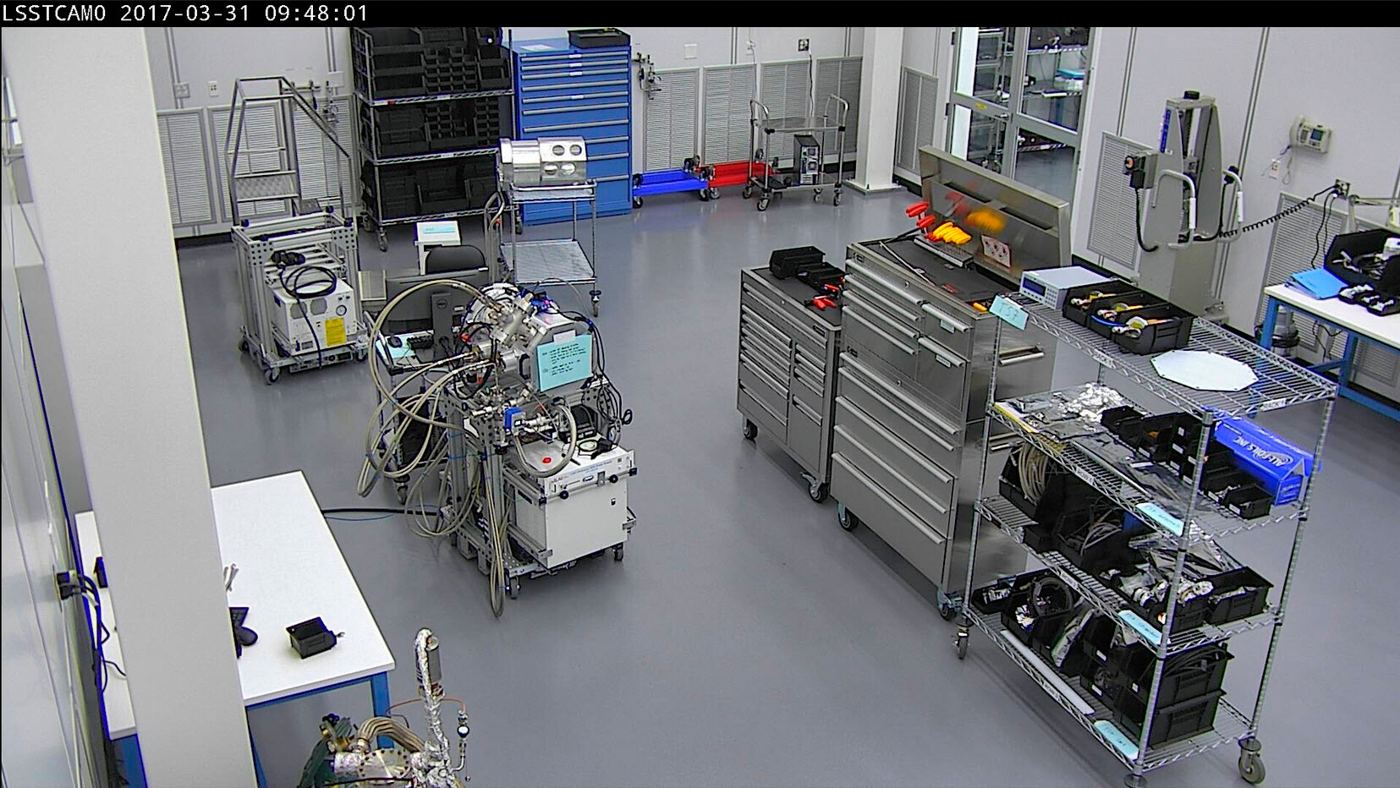
Semiconductor makers are expanding factory output as demand for artificial intelligence processors continues to outpace supply across several regions. New production lines are being added inside existing clean rooms, allowing companies to increase wafer output without waiting years for entirely new sites. The chips are destined for data centres, vehicles, medical devices and consumer electronics. Executives say orders from cloud providers remain especially strong, with delivery schedules stretching months ahead. Specialists following semiconductor factory expansion say the bottleneck is no longer a single component but a chain of specialised tools, materials and skilled workers. Even small delays in lithography equipment or high purity chemicals can slow an entire plant. Governments are offering incentives to build more capacity locally, hoping to reduce dependence on distant suppliers. At the same time, firms are training technicians for clean room roles that require precision and patience. The expansion should ease shortages gradually, although analysts warn that demand for the most advanced chips will likely stay ahead of supply through next year.
What the Evidence Shows
Inside the plants, workers in full protective clothing monitor automated systems that move silicon wafers between etching, deposition and inspection stages. Contamination control is critical, because a single particle can ruin an expensive batch. Companies are also investing in recycling systems for water and gases to reduce the environmental footprint of larger operations. Energy use remains a concern, since chip factories run around the clock and need stable power supplies. Some operators are signing long term renewable energy contracts to manage costs and emissions. For customers, greater capacity could mean shorter waiting times and more stable prices for laptops, cars and network equipment. Smaller electronics firms, which struggled most during recent shortages, may benefit first from improved allocation. Industry groups still caution against overbuilding for older chip types. Balancing advanced production with steady demand for mature semiconductors will decide whether the current expansion delivers lasting stability. Reporting and analysis from sources such as Wired track the same developments, and specialists following semiconductor factory expansion say the direction is now consistent across independent lines of evidence.
The Wider Context
The wider context is an industry learning to ship capability and restraint together. Products built around semiconductor factory expansion now launch with safety evaluations, usage data and rollback plans as standard, because enterprise buyers and regulators ask for them in the first meeting. Companies that treated those questions as friction are discovering they have become the purchase criteria.
What Happens Next
What happens next for semiconductor factory expansion depends less on another breakthrough than on the unglamorous work of reliability, pricing and support. The buyers evaluating it now are not enthusiasts; they are operators with budgets and auditors, and their checklists will decide the timeline. On the evidence of the current pilots, the technology has earned the right to be judged by them. You can follow related developments in our coverage of technology.
None of this will be settled by a single announcement, study or product launch. The pattern to watch is accumulation: independent confirmations, honest reporting of failures and steady improvement in the underlying numbers. Readers who follow those signals, rather than the loudest claim of the week, will understand this subject better than most of the commentary surrounding it suggests is possible.
