

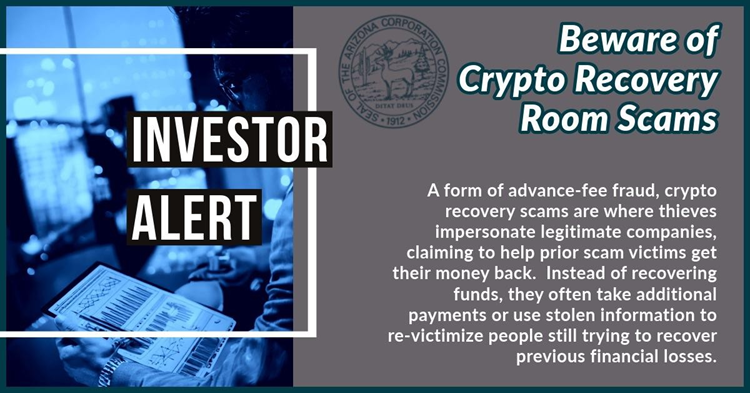
According to recent industry reports, the number of “recovery” complaints has surged by over 300 % since 2020. Victims, desperate for a lifeline, are easy targets for slick marketing, fake testimonials, and flashy websites that claim “guaranteed crypto recovery.” What they encounter, more often than not, is a sophisticated con that extracts even more money from those who can least afford it. These predators don’t just steal your digital assets; they promise to recover them, often at a steep price. The result? A second wave of fraud that leaves victims not only financially drained but emotionally shattered.
How Scammers Pose as Recovery Professionals
The tactics used by these fraudulent firms are remarkably polished. They typically:
a. Masquerade as Legal or Forensic Experts: Using logos that look like those of reputable blockchain analytics companies, they claim to have “insider” relationships with exchanges or law-enforcement agencies.
b. Upfront Fee Demands: Victims are asked to pay a “retainer” or “analysis fee” ranging from a few hundred to several thousand dollars before any work begins.
c. False Guarantees: Promises such as “100 % recovery in 30 days” are common, despite the fact that genuine forensic work is rarely deterministic.
d. Pressure Tactics: Scammers create a sense of urgency, warning that “time is running out” to retrieve the funds, pushing victims to act quickly without due diligence
These firms often produce fake “recovery reports” that look authentic, complete with blockchain screenshots and jargon that sounds credible. But when the victim later discovers that no real progress has been made, the “experts” have already vanished along with the fees paid.
Red Flags to Watch For
Recognizing the warning signs can save you from a second loss. Keep an eye out for:
a. No verifiable track record: Legitimate crypto recovery services will have case studies, references, or publicly listed experts.
b. Unsolicited outreach: If you receive an email or DM offering recovery out of the blue, treat it as suspicious.
c. Requests for payment in gift cards: A classic sign of a scammer trying to avoid a paper trail.
d. Lack of a clear contract: A trustworthy firm will provide a written agreement outlining fees, scope, and realistic outcomes.
e. Overly generic branding: Many fake firms recycle the same templates; look for unique identifiers, proper company registration, and contact details.
Leintel: A Beacon of Trust
Leintel is a collaborative platform designed to bridge the gap between scam victims and genuine blockchain forensic experts. Founded by a coalition of seasoned investigators, data-science professionals, and crypto-law specialists, Leintel’s mission is simple: connect victims with vetted, legitimate professionals who have a proven record of tracing stolen assets. The approach employed by the team at Leintel usually involves the following:
a. Victim Intake: Victims submit a secure, encrypted case form that captures the details of the original scam (transaction IDs, wallet addresses, communications).
b. Expert Matching: Leintel’s internal review board comprising certified blockchain analysts, compliance officers, and legal experts matches each case with a vetted professional whose expertise aligns with the specific fraud pattern.
c. Transparent Pricing: All experts on the platform agree to a fee schedule that is fair, fully disclosed, and typically contingent on successful asset tracing. No hidden upfront retainers.
d. Ongoing Support: Victims receive regular progress reports, and the platform offers counseling resources to address the emotional toll of the scam.
Why Vetted Experts Matter
a. Proven Track Record: Each specialist undergoes a rigorous background check, including verification of past case outcomes and peer reviews.
b. Technical Proficiency: Experts are required to demonstrate proficiency with blockchain analysis tools (e.g., Chainalysis, Elliptic) and to stay current with evolving crypto-crime tactics.
c. Ethical Standards: All professionals sign a code of conduct that forbids misrepresentation, guarantees confidentiality, and prohibits predatory pricing.
Conclusion:
By recognizing the hallmarks of fraud, unsolicited contact, upfront fees, and unrealistic promises you can avoid falling prey to a second scam. If you or someone you know has been victimized, consider reaching out to Leintel. The platform’s curated network of honest forensic experts offers a realistic path forward, grounded in transparency, technical rigor, and ethical practice. Together, we can curb the rise of crypto-recovery fraud and help victims reclaim what’s rightfully theirs.
