

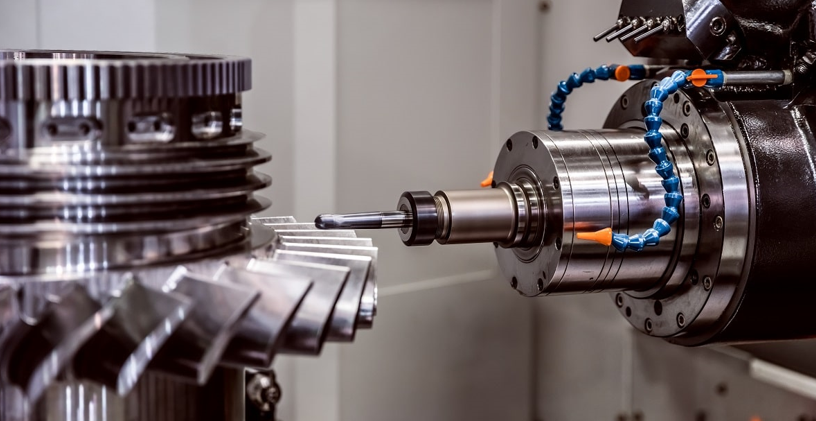
Modern manufacturing demands exceptional accuracy. Whether producing aerospace components, automotive parts, medical devices, or precision engineering products, even the smallest dimensional error can affect product performance, customer satisfaction, and production costs.
As manufacturing processes become increasingly automated, businesses are placing greater emphasis on inspection technologies that help maintain consistent quality while improving production efficiency. Traditional inspection methods continue to play an important role, but manufacturers are increasingly integrating inspection directly into machining operations to reduce downtime and accelerate quality assurance.
From what I’ve observed, companies that invest in smarter inspection processes often achieve better production consistency while reducing costly rework and material waste.
Why Quality Inspection Matters
Every manufacturing operation relies on quality control to ensure finished parts meet required specifications.
Without effective inspection, manufacturers may experience:
- Dimensional inaccuracies
- Increased material waste
- Higher production costs
- Customer complaints
- Product recalls
- Delayed deliveries
- Reduced operational efficiency
Identifying potential issues early allows manufacturers to correct problems before they affect larger production batches.
Understanding CNC Inspection
CNC inspection refers to the process of verifying the dimensions, geometry, and quality of machined components using precision measurement technologies integrated with CNC manufacturing workflows.
Rather than waiting until production is complete, inspection can occur throughout the machining process, enabling operators to identify deviations before they become larger problems.
Modern inspection methods help manufacturers maintain tighter tolerances while improving overall production efficiency.
The Evolution of On-Machine Inspection
Historically, many manufacturers relied heavily on Coordinate Measuring Machines (CMMs) located outside the machining environment.
While CMMs remain valuable for many applications, transporting components between machining and inspection introduces additional handling, delays, and workflow interruptions.
On-machine inspection addresses these challenges by allowing measurements to be performed directly on the CNC machine during production.
This approach provides faster feedback while reducing unnecessary production interruptions.
Benefits of Integrated Inspection
Improved Accuracy
Measuring components during machining allows operators to detect dimensional variations early and make adjustments before additional parts are produced.
Reduced Production Downtime
By minimizing transfers between machining centers and separate inspection stations, manufacturers can improve workflow efficiency.
Lower Manufacturing Costs
Early detection of machining errors helps reduce scrap rates, rework, and unnecessary material consumption.
Better Process Control
Real-time inspection data supports continuous process improvement and greater production consistency.
Supporting High-Precision Industries
Many industries require exceptionally tight tolerances.
These include:
- Aerospace manufacturing
- Medical device production
- Automotive engineering
- Defense manufacturing
- Energy equipment
- Precision tooling
For these sectors, consistent inspection is essential for meeting strict quality requirements and regulatory standards.
Digital Manufacturing and Smart Inspection
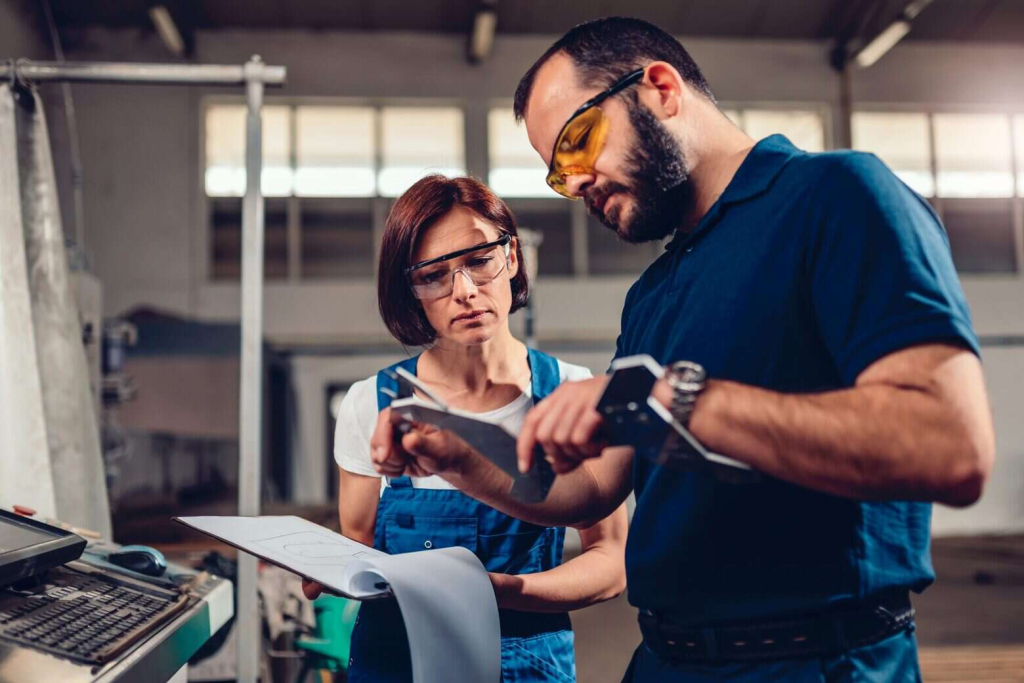
Industry 4.0 technologies continue to reshape manufacturing environments.
Today’s inspection systems increasingly integrate with:
CNC Machine Controls
Automated measurement routines can support more efficient machining workflows.
Digital Quality Records
Electronic inspection data simplifies documentation and traceability.
Production Analytics
Measurement data provides valuable insights that support process optimization.
Predictive Manufacturing
Inspection trends help identify potential issues before defects occur.
These capabilities contribute to more intelligent manufacturing operations.
Choosing the Right Inspection Strategy
Selecting an inspection approach depends on several factors.
Businesses should evaluate:
Production Volume
High-volume manufacturing often benefits from faster in-process inspection methods.
Part Complexity
Complex geometries may require advanced measurement technologies.
Accuracy Requirements
Industries with tight tolerances demand highly reliable inspection solutions.
Workflow Efficiency
Inspection processes should support productivity rather than interrupt it.
For manufacturers seeking efficient cnc inspection solutions, integrating measurement directly into machining workflows can improve quality control while reducing production delays and enhancing operational efficiency.
Best Practices for Quality Assurance
Manufacturers can strengthen inspection processes by:
Calibrating Equipment Regularly
Routine calibration ensures measurement accuracy.
Training Machine Operators
Well-trained personnel can identify issues quickly and maintain consistent quality standards.
Monitoring Inspection Data
Analyzing measurement trends helps improve long-term manufacturing performance.
Automating Repetitive Tasks
Automation reduces manual errors while improving inspection consistency.
Future Trends in CNC Inspection
Inspection technologies continue to evolve alongside digital manufacturing.
Emerging developments include:
- Automated in-process measurement
- Artificial intelligence-assisted quality analysis
- Digital twins for manufacturing validation
- Cloud-based production monitoring
- Advanced probing technologies
- Smart factory integration
Manufacturers adopting these innovations are often better positioned to improve quality while remaining competitive in rapidly changing markets.
Conclusion
Precision remains one of the defining characteristics of modern manufacturing, and effective inspection is fundamental to achieving consistent results.
By integrating inspection into machining operations, manufacturers can reduce downtime, improve dimensional accuracy, minimize waste, and strengthen quality assurance throughout the production process.
As manufacturing continues to embrace automation and digital technologies, smarter inspection strategies will play an increasingly important role in helping businesses deliver high-quality products while improving productivity and operational efficiency.
