

Guest posting can help a business reach new readers, share useful expertise, and earn visibility in relevant industry conversations. But publishing on any site that accepts submissions is unlikely to produce meaningful results. The strongest guest post opportunities align with your audience, offer a credible editorial environment, and support a clear business goal. A practical selection process can help teams spend their time and budget on placements that make sense.
Before approaching publishers, decide what success should look like. You may want referral traffic, brand awareness, qualified leads, or a stronger presence around a topic. These outcomes call for different websites and ways to measure performance. A post intended to introduce a new product, for example, should reach people who could realistically use it, rather than simply attract a large number of general readers.
Start with audience relevance
Read several recent articles on a potential host site and consider who they are written for. Look at the subjects covered, the level of detail, and the questions the content answers. A business software company might find a better fit on a publication read by operations teams than on a broad lifestyle blog with higher overall traffic. Relevance helps make the article useful to the host’s readers and gives the business a more natural reason to contribute.
Check whether the site’s audience overlaps with your customers, partners, or industry peers. Consider geography, company size, professional role, and the problems readers are trying to solve. If the publisher shares audience information, use it as one input rather than treating it as a guarantee. You can also review comments, social engagement, and the kinds of discussions the articles generate.
Assess quality beyond traffic figures
Traffic can help estimate a publication’s reach, but it does not reveal whether the readers are engaged or whether the site maintains editorial standards. Look for original articles, clear authorship, consistent publishing, and a coherent topic focus. Check that pages are readable on mobile and that older posts still provide useful information. A site crowded with unrelated topics or thin, repetitive articles may not be a good setting for your own work, even if its traffic estimate looks attractive.
Compare several indicators instead of relying on one metric. Traffic trends can provide context, while the quality of recent posts shows how the publication treats its subject matter. Review whether articles receive thoughtful engagement and whether the site appears to have a real readership. For a more structured search, this guide to finding guest posting sites outlines factors such as audience fit, traffic, content quality, pricing, and examples of free and paid options.
Compare free and paid placements carefully
Some publishers accept relevant contributions without charging a placement fee. In exchange, they may require a strong pitch, a particular format, original reporting, or several rounds of editing. Free does not mean effortless: researching the publication and producing a tailored article takes time. Paid placements can offer a clearer process or a faster route to publication, but a fee alone does not establish quality or value.
Before agreeing to pay, ask what the price includes. Confirm the expected article length, editorial review, publication timing, any limits on links, and whether the placement is guaranteed to remain live. Compare the quoted cost with the site’s audience, content standards, and likely business value. Avoid choosing a website solely because it promises a large number of placements at a low rate; a small number of well-matched publications may be more useful than a broad batch of weak fits.
Build a repeatable outreach process
Keep a simple record of prospects so the team can compare options consistently. Useful fields include the publication’s main topics, audience, contact details, submission requirements, estimated traffic, pricing, and current status. A short relevance score can help prioritize sites, but include notes explaining why each one suits the campaign. This reduces the risk of sending identical pitches to publishers with different readers and editorial expectations.
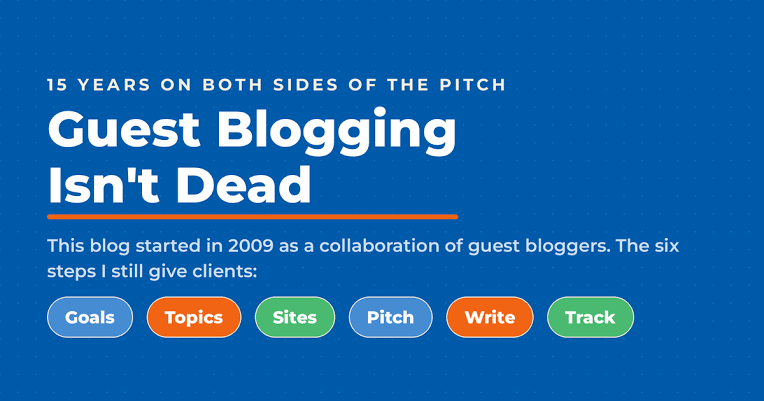
- Choose a topic: Base it on a question your intended audience needs answered, not only on the keywords you want to target.
- Study the publication: Read recent posts and follow its submission guidelines before drafting a pitch.
- Offer a specific angle: Explain what the article will teach readers and why it belongs on that site.
- Prepare original work: Use clear examples and practical advice, and make sure the article is not republished elsewhere.
- Track the result: Record publication dates, referral activity, inquiries, and other outcomes tied to your goal.
Campaign work may also involve writing, graphic design, research, or marketing support. Businesses comparing the best freelance platform alternatives for businesses can look at how marketplaces structure scope, pricing, and payment. Osdire, for instance, connects buyers with freelancers across more than 900 categories and uses flat pricing; payment is held while an order is in progress and released after the delivered work is approved. As with any platform, review the service details and fit before assigning work.
Monitor placements and refine the plan
Publication is a milestone, not the only measure of success. Save the live article, check that it displays correctly, and monitor relevant indicators over time. Depending on your goal, these could include referral visits, newsletter sign-ups, inquiries, or mentions in industry discussions. Use consistent tracking methods where possible, while remembering that a guest article may influence awareness without generating an immediate click or sale.
Review the results alongside the effort and cost involved. If a publication attracts the right readers but few immediate conversions, it may still contribute to recognition or future engagement. If several placements produce little relevant activity, revisit the audience criteria, topic angle, and quality checks. A focused process turns guest posting from a one-off publishing task into a considered part of a broader business content strategy.
