

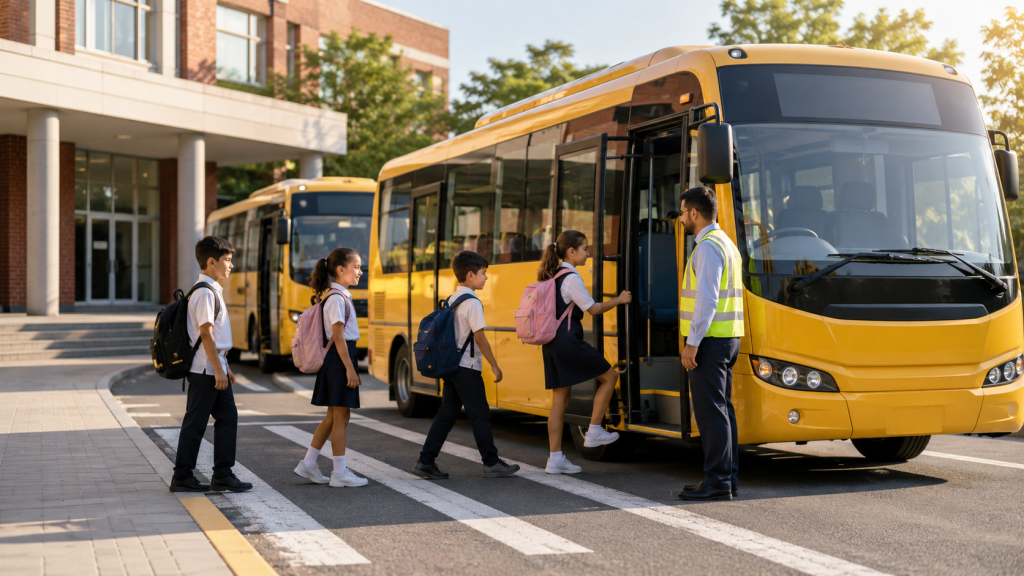
Reliable transport is an essential part of the education system, helping pupils travel safely between home and school while ensuring they arrive ready to learn. School transport contracts provide schools, academy trusts and local authorities with a structured way to arrange dependable transport services that meet the needs of students throughout the academic year.
These contracts establish clear expectations for transport providers, covering everything from vehicle standards and safeguarding procedures to route planning and service reliability. Whether supporting daily home-to-school journeys or providing coaches for educational visits, school transport contracts help ensure transport services operate efficiently and consistently.
What Are School Transport Contracts?
School transport contracts are formal agreements between education providers or local authorities and transport operators for the provision of student transport services.
Depending on the requirements, contracts may include:
- Home-to-school transport
- School bus services
- Coach transport for educational visits
- Sports fixtures
- Residential trips
- College transport
- SEND transport
- Emergency transport arrangements
Many local authorities use procurement frameworks or Dynamic Purchasing Systems (DPS) to award these contracts, ensuring operators meet required standards before providing services.
Why School Transport Contracts Are Important Reliable Daily Travel

One of the main purposes of a school transport contract is to provide pupils with consistent and dependable transport throughout the school year.
Regular collection times, planned routes and scheduled arrivals help minimise disruption while supporting good attendance.
Efficient Planning
Having a long-term agreement in place allows schools and transport providers to organise routes, vehicles and staffing well in advance.
This reduces the need for repeated transport bookings and enables operators to respond more effectively to changing passenger numbers or school requirements.
Consistent Service Standards
Contracts establish agreed service levels covering areas such as punctuality, communication, safeguarding and vehicle maintenance.
Clearly defined expectations help maintain consistency across all journeys.
Common Types of School Transport Contracts Home-to-School Transport
Daily transport for eligible pupils remains the most common type of contract. Services typically follow fixed routes with planned collection and drop-off points based on school opening and closing times.
SEND Transport
Some pupils require specialist transport because of special educational needs or disabilities (SEND).
These contracts may involve accessible vehicles, passenger assistants or tailored travel arrangements that reflect individual requirements while maintaining appropriate safeguarding procedures.
Educational Visits
Schools frequently arrange coach transport for learning outside the classroom.
Examples include:
- Museums
- Science centres
- Historic sites
- Universities
- Outdoor learning centres
- Cultural attractions
Existing transport contracts can make organising these visits more straightforward.
Sporting Events
School teams often travel to fixtures and tournaments throughout the year. Dedicated coaches allow students, teachers and equipment to travel together safely and efficiently.
Safety and Safeguarding
Safety is central to every school transport contract.
Vehicle Standards
Transport operators are responsible for ensuring vehicles are regularly inspected, serviced and maintained to meet all relevant road safety requirements.
Well-maintained coaches contribute to safe and reliable journeys throughout the contract period.
Qualified Drivers
Drivers should hold the appropriate licences and qualifications for passenger transport.
Where required, operators should also complete relevant background checks and safeguarding procedures before transporting children.
Safeguarding Procedures
Schools and transport providers should work together to establish clear safeguarding policies, reporting arrangements and emergency procedures that protect pupils throughout every journey. Guidance from the Local Government Association highlights safeguarding as a key consideration when managing school transport services.
Planning Successful School Transport
Effective transport contracts begin with careful planning.
Important considerations include:
- Number of pupils
- Collection locations
- School start and finish times
- Vehicle capacity
- Accessibility requirements
- Journey times
- Traffic conditions
- Contingency plans for delays
Reviewing routes periodically can improve efficiency while ensuring journey times remain appropriate for pupils.
Communication Between Schools and Operators
Good communication helps transport services operate smoothly throughout the school year.
Schools and operators should have clear procedures for managing:
- Delays
- Vehicle breakdowns
- Route changes
- Severe weather
- School closures
- Emergency contact arrangements
- Changes to passenger numbers
Prompt communication allows any issues to be resolved quickly while keeping disruption to a minimum.
Choosing a School Transport Provider
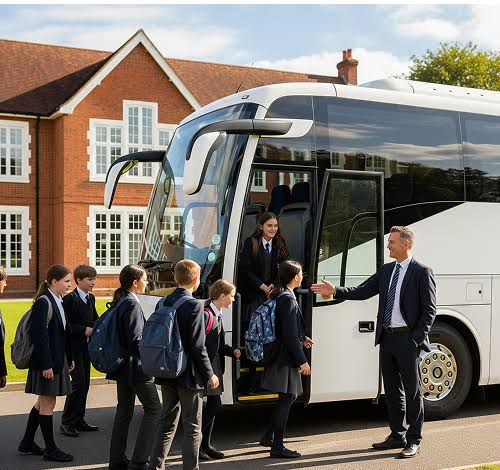
When awarding school transport contracts, organisations typically assess a range of factors in addition to price.
These often include:
- Experience providing school transport
- Safety record
- Vehicle quality
- Fleet capacity
- Driver training
- Reliability
- Accessibility options
- Customer service
Many procurement processes evaluate both quality and value to ensure providers can deliver a dependable long-term service.
Supporting Pupils Every Day
A successful school transport service provides more than simply getting pupils from one place to another. Consistent routes, familiar drivers and well-managed journeys can help create a positive travel experience that supports pupils before and after the school day.
For younger children and those requiring additional assistance, dependable transport arrangements can provide reassurance for both families and schools.
Conclusion
School transport contracts provide the foundation for safe, reliable and organised pupil transport. By establishing clear standards for vehicle maintenance, safeguarding, route planning and operational performance, these agreements help schools and local authorities deliver consistent transport services throughout the academic year.
With effective planning, experienced operators and strong communication, school transport contracts support efficient daily travel while helping ensure pupils reach school and educational activities safely, comfortably and on time.
