

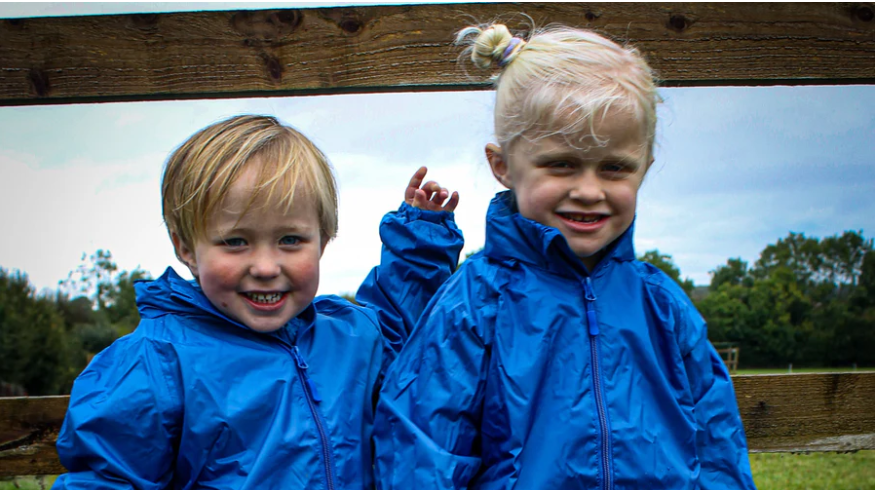
Waterproof children’s jackets are a core part of everyday outdoor clothing in climates where rain is frequent and unpredictable. In the UK, where weather conditions can change quickly throughout the day, waterproof outerwear is commonly used for school journeys, outdoor learning, and general play.
Collections such as those offered by Dry Kids, including waterproof children’s jacket ranges, focus on lightweight, practical designs intended for regular use rather than specialist outdoor expeditions.
Why Waterproof Jackets Matter for Children
Children spend a significant amount of time outdoors, whether during school breaks, organised activities, or informal play. Exposure to wet conditions can lead to discomfort, reduced warmth, and distraction from activity. Waterproof jackets are designed to address this by creating a protective outer layer that blocks rain while allowing movement.
Unlike standard coats, waterproof jackets are designed specifically to handle sustained exposure to moisture rather than brief showers. This makes them particularly relevant in school environments and outdoor education settings where children remain outside regardless of weather conditions.
How Waterproofing Works in Children’s Jackets
The effectiveness of a waterproof jacket comes from a combination of materials and construction techniques rather than a single feature.
Waterproof outer fabric
Most jackets use synthetic fabrics such as polyester with a waterproof coating or membrane. This layer prevents water droplets from passing through the surface while maintaining flexibility.
Seam sealing
Stitching creates small holes in fabric, which can allow water ingress. To counter this, seams are often taped or heat-sealed to create a continuous barrier.
Layered structure
Many waterproof jackets are designed with multiple layers, each serving a different function such as water resistance, breathability, and insulation support.
Breathability and Comfort
While waterproofing is essential, comfort is equally important for children who are active outdoors. Without breathability, heat and moisture from the body can build up inside the jacket, leading to discomfort.
Breathable fabrics allow water vapour to escape while still preventing external rain from entering. This balance is particularly important for school wear, where children may move between indoor and outdoor environments throughout the day.
Types of Waterproof Children’s Jackets Lightweight everyday jackets
These are designed for general daily use and often prioritise portability and ease of wear. They may include pack-away features, allowing the jacket to be folded into a compact size when not needed.
In ranges such as those from Dry Kids, these jackets are commonly used for school bags, trips, and general outdoor activities where weather conditions may vary.
School waterproof jackets
These jackets are designed with durability in mind. They often include reinforced stitching, adjustable hoods, and reflective elements to improve visibility in low-light conditions such as early mornings or winter afternoons.
Outdoor learning jackets
Used in forest schools and outdoor education programmes, these jackets are built to withstand prolonged exposure to wet and muddy environments. They typically prioritise durability, ease of cleaning, and freedom of movement.
Key Features to Consider Waterproof rating
Waterproof performance is often measured using a hydrostatic head rating, which indicates how much water pressure the fabric can withstand before leaking. Higher ratings generally provide better protection in heavy rain.
Fit and layering space
Children’s jackets are usually designed with room for layering underneath. This allows them to be worn comfortably over jumpers or fleece layers in colder weather.
Adjustability
Features such as elasticated cuffs, adjustable hoods, and drawcord hems help improve fit and reduce water entry points.
Visibility
Bright colours and reflective strips are often included to improve visibility in poor weather or low-light conditions, particularly for children travelling to and from school.
Waterproof vs Water-Resistant Jackets
A key distinction exists between waterproof and water-resistant clothing.
Water-resistant jackets can handle light rain for short periods but may eventually allow moisture through during prolonged exposure. Waterproof jackets are designed to withstand continuous rainfall and are therefore more suitable for consistent outdoor use in UK conditions.
Understanding this difference is important when selecting clothing for school or outdoor activities where weather conditions are not predictable.
Everyday Use and Practicality
Waterproof jackets for children are used across a wide range of daily situations:
Walking to and from school in wet weather Outdoor play during school breaks Sports days and field activities Weekend walks and family outings Outdoor education programmes
Their practicality lies in their adaptability, allowing children to remain active regardless of weather conditions without needing frequent changes of clothing.
Care and Maintenance
Proper maintenance helps extend the lifespan and performance of waterproof jackets.
Cleaning considerations
Dirt and mud can affect waterproof performance over time, so regular cleaning using appropriate detergents is recommended.
Restoring water resistance
Some jackets may require reproofing treatments after repeated washing or extended use to maintain their waterproof properties.
Storage
Storing jackets in dry conditions helps preserve fabric coatings and prevents long-term damage.
Conclusion
Waterproof children’s jackets play an important role in supporting outdoor activity in wet and variable weather conditions. By combining waterproof materials, sealed construction, and breathable design, they provide practical protection for everyday use.
Ranges such as those from Dry Kids demonstrate how modern waterproof jackets are designed to balance durability, comfort, and usability for school and outdoor environments, making them a common choice for children’s day-to-day wear in the UK.
