

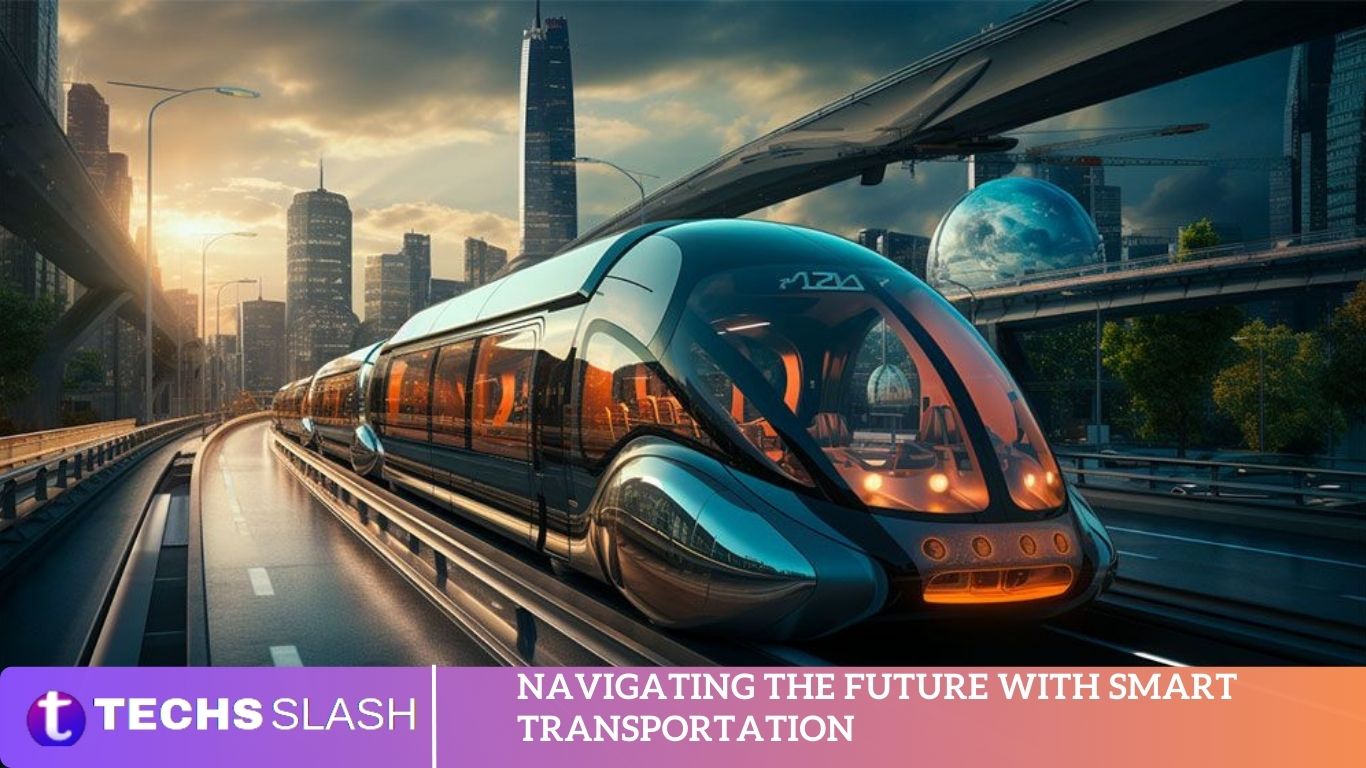
Transport has come a long way even in the last couple of decades. Ongoing developments in technology have allowed transit systems to innovate and deliver stronger service than ever before.
One of the main tools that have driven networks into the modern day are Intelligent Transport Systems (ITS).
By collecting and drawing on real-time data from across all the vehicles within the fleet, ITS allow operators to deliver journeys that are safter, more reliable and all-round smarter.
For you to offer a transit experience that feels truly modern, implementing an effective ITS platform is a necessity. But, to really make the case, let’s break down some of the specific benefits of a smart transport network.
Keeping passengers properly informed
In order to be truly smart, a transit system has to keep its passengers up-to-date. Riders should be able to accurately plan their journeys and always be made aware of potential delays as soon as possible.
After all, informed passengers are more likely to enjoy their journey and leave with a positive impression of the system. Repeat journeys are always the goal, so the better the rider experience the more likely your network is to keep them coming back.
ITS platforms ensure that information is the same across all communication channels, simultaneously pushing real-time updates to on-site displays, websites and apps. This consistency gives riders an accurate picture so that they’re never left in the dark about their journey.
In combination with smart ticketing systems that offer increased flexibility, real-time passenger information (RTPI) helps riders have the smoothest travel experience possible.
Greater oversight and adaptability
The thing that allows you to keep passengers so in the loop is the real-time vehicle monitoring that an integrated ITS offers. On-board tracking devices make it so that positional information on your fleet is always available and accurate.
Having a complete and accurate overview of the status of the entire network allows operators to quickly spot any potential delays and issues as they start to evolve. This gives the network a greater ability to adapt, with the command center having the oversight to adjust operations and minimize the impact of a delay or incident.
A more flexible and adaptable network won’t suffer from the same level of disruption that might have caused issues in the past.
Measuring key performance metrics such as wait times and schedule adherence becomes far simpler with the aid of ITS. With this data at your fingertips and such a comprehensive overview of the network, it’s easier to spot opportunities for greater efficiency and potential cost-savings.
Supporting operations across the board
Staying on top of your fleet is no simple feat, but ITS takes a lot of the hard work off your hands. A comprehensive Computer-Aided Dispatch/Automatic Vehicle Location (CAD/AVL) system keeps every vehicle connected to operators.
Smart vehicles update the system with their location data without the need for any additional communication between the driver and operator. Meanwhile, operators have the oversight to manage the fleet without needing to rely on external sources of information.
With the support of smart systems drivers and operators alike are given the tools to make the network run smoothly and reliably.
Getting smart is the only way for transit systems to stay relevant in the modern world. As technology continues to develop, we’re likely to see even more innovations that help make public transit better.
Make sure that your network isn’t left behind the curve by implementing a cutting edge ITS platform. Now that you’ve seen all the benefits that a smart transportation network brings, how do you plan to push your transit system into the future?
