

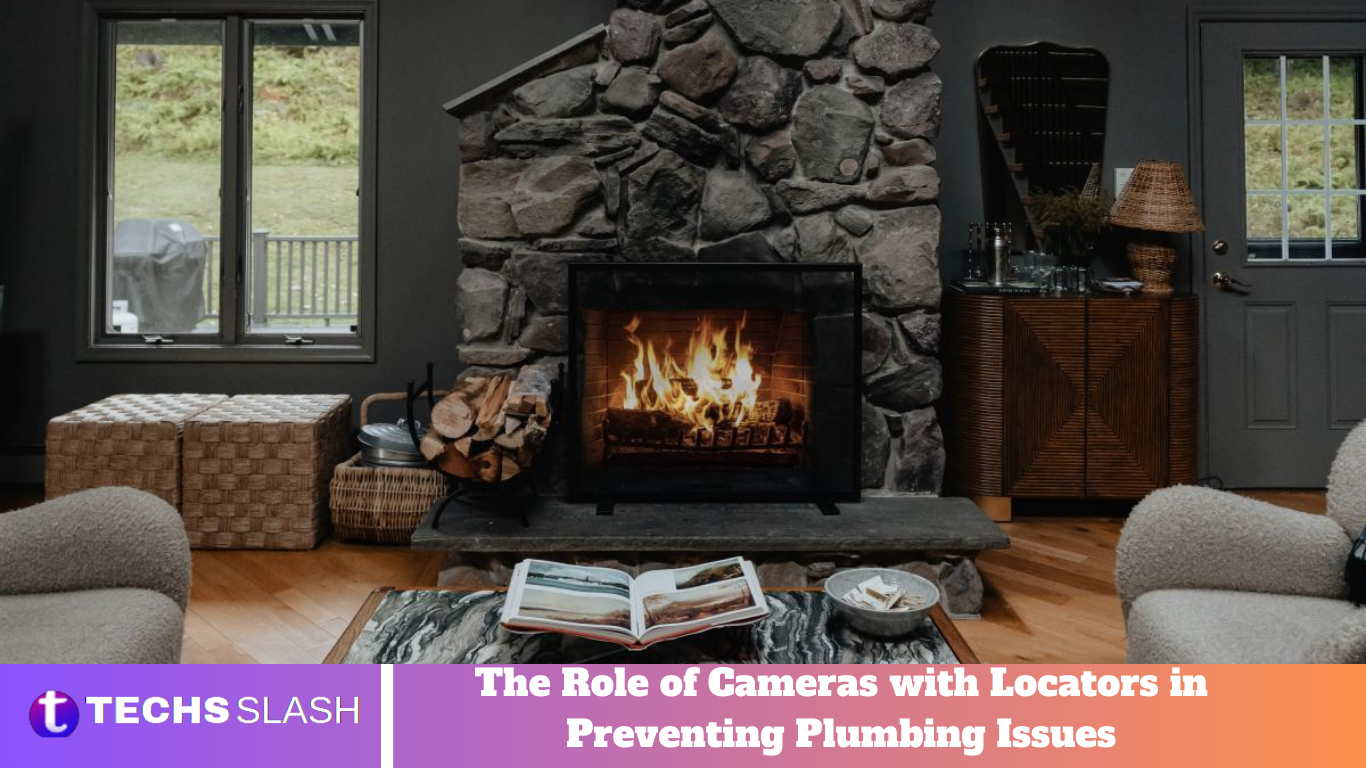
As winter approaches in Seattle, it’s time to prepare your chimney for the season. This blog post offers ten proactive ideas to ensure your chimney is ready to provide warmth and comfort during the cold months. From cleaning and inspection to minor repairs andinstallations, we cover everything homeowners need to know to keep their fireplace safe and efficient.
1. Why is a Clean Chimney Crucial in Winter?
A clean chimney is crucial in winter for a variety of reasons. First and foremost, a clean chimney ensures the safe and efficient operation of your fireplace or wood-burning stove. Over time, soot and creosote can build up in the chimney, creating a flammable and potentially dangerous situation. By regularly cleaning the chimney, you remove these combustible materials, reducing the risk of a chimney fire.
Moreover, a clean chimney improves the air quality in your home. When the chimney is clogged with debris, smoke and toxic gases cannot vent properly, leading to poor indoor air quality. This can be particularly harmful to individuals with respiratory issues, such as asthma or allergies. By keeping the chimney clean, you allow smoke and gases to escape efficiently, ensuring a healthier living environment.
In addition to safety and air quality concerns, a clean chimney also helps to maintain the overall efficiency of your heating system. When the chimney is clogged, the airflow is restricted, causing the fire to burn less efficiently and produce less heat. This means you may need to burn more wood or fuel to achieve the desired level of warmth, resulting in increased energy costs. By keeping the chimney clean, you ensure proper airflow and maximize the heating efficiency of your fireplace or stove.
2. “A stitch in time saves nine”: The Importance of Regular Chimney Inspections
Regular chimney inspections are vital for maintaining the safety and functionality of your chimney. Just like any other component of your home, chimneys require regular maintenance to identify and address potential issues before they become major problems. By scheduling regular inspections, you can catch any small problems early on and prevent them from escalating into costly repairs or dangerous situations.
During a chimney inspection, a professional chimney sweep will thoroughly examine the chimney’s interior and exterior, checking for any signs of damage, blockages, or deterioration. They will also assess the condition of the chimney cap, flue liner, and other essential components. By detecting and addressing issues such as cracks, loose bricks, or damaged flue liners, you can prevent water leaks, chimney fires, or carbon monoxide leaks.
In addition, regular inspections ensure that your chimney meets the necessary safety standards. Building codes and regulations may change over time, and a chimney that was once compliant may no longer meet the requirements. By having your chimney inspected, you can ensure that it is up to code and safe for use. This is especially important in areas like Seattle, where the weather conditions can be harsh and impact the integrity of the chimney.
Moreover, regular chimney inspections provide peace of mind. Knowing that your chimney has been thoroughly inspected by a professional gives you confidence that it is in good condition and ready for use during the winter months. It allows you to enjoy the warmth and comfort of your fireplace without worrying about potential hazards or malfunctions.
3. Does Your Chimney Cap Need a Replacement?
A chimney cap is a crucial component of your chimney system that plays a vital role in keeping out unwanted debris, animals, and water. Over time, however, chimney caps can deteriorate due to exposure to weather elements or general wear and tear. It is important to regularly inspect your chimney cap to determine if it is in need of replacement. Here are some signs that indicate your chimney cap may need to be replaced:
- 1. Rust and Corrosion:
If you notice rust or corrosion on your chimney cap, it is a clear indication that it is no longer providing the necessary protection. Rust can weaken the structure of the cap and compromise its ability to keep out water and debris. A corroded chimney cap should be replaced promptly to prevent further deterioration. - 2. Damaged or Missing Parts:
During a thorough inspection, check for any visible damage or missing parts on the chimney cap. Cracks, dents, or bent metal can weaken the cap and make it ineffective at keeping out animals and debris. Likewise, if any parts of the chimney cap are missing, such as the mesh screen or spark arrestor, it is essential to replace them to maintain proper functionality. - 3. Excessive Debris Buildup:
If you notice a significant buildup of leaves, twigs, or other debris on top of your chimney cap, it may indicate that the cap is no longer effectively blocking the entry of debris. This could be due to damage or deterioration of the cap. A chimney cap that allows debris to accumulate can lead to blockages and potential chimney fires.
4. Is Your Dampers’ Efficiency Decreasing?
Your chimney dampers play a critical role in controlling the airflow and preventing drafts when your fireplace is not in use. Over time, however, dampers can become less efficient due to wear and tear or debris buildup. It is important to assess the efficiency of your dampers before the winter season to ensure they are functioning properly. Here are a few signs that indicate your dampers’ efficiency may be decreasing:
- 1. Difficult to Open or Close:
If you find it increasingly challenging to open or close your dampers, it could be a sign of rust, debris, or damage. Dampers that are stuck or not fully operational can result in poor airflow control and difficulty in maintaining a consistent temperature in your home. - 2. Drafts or Air Leaks:
When your dampers are not sealing properly, you may experience drafts or air leaks around your fireplace. This can lead to energy loss and an inefficient heating system. Check for any noticeable gaps or cracks in the dampers that may be allowing cold air to enter your home. - 3. Excessive Smoky Odors:
If you notice an increase in smoky odors inside your home, it could be an indication that your dampers are not closing properly. This can allow smoke to backdraft into your living space instead of being directed up the chimney. It is essential to address this issue promptly to prevent potential health hazards and maintain good indoor air quality. - 4. Soot Buildup:
A buildup of soot around the damper area can be a sign that your dampers are not functioning efficiently. Soot accumulation can restrict the airflow and reduce the effectiveness of your fireplace. Regularly inspect the damper area for any signs of soot buildup and address the issue accordingly.
Properly preparing your chimney for the winter is not just about ensuring warmth but also about guaranteeing safety. The measures discussed in this blog post are easy to follow and largely preventive in nature, helping you avoid potential hazards associated with chimney use. With these ten tips, homeowners in Seattle can enjoy a cozy, warm winter, confident in the knowledge that their chimney is in its best condition.Want to read more tips? Go to the website of https://acechimneyservices.net/
