

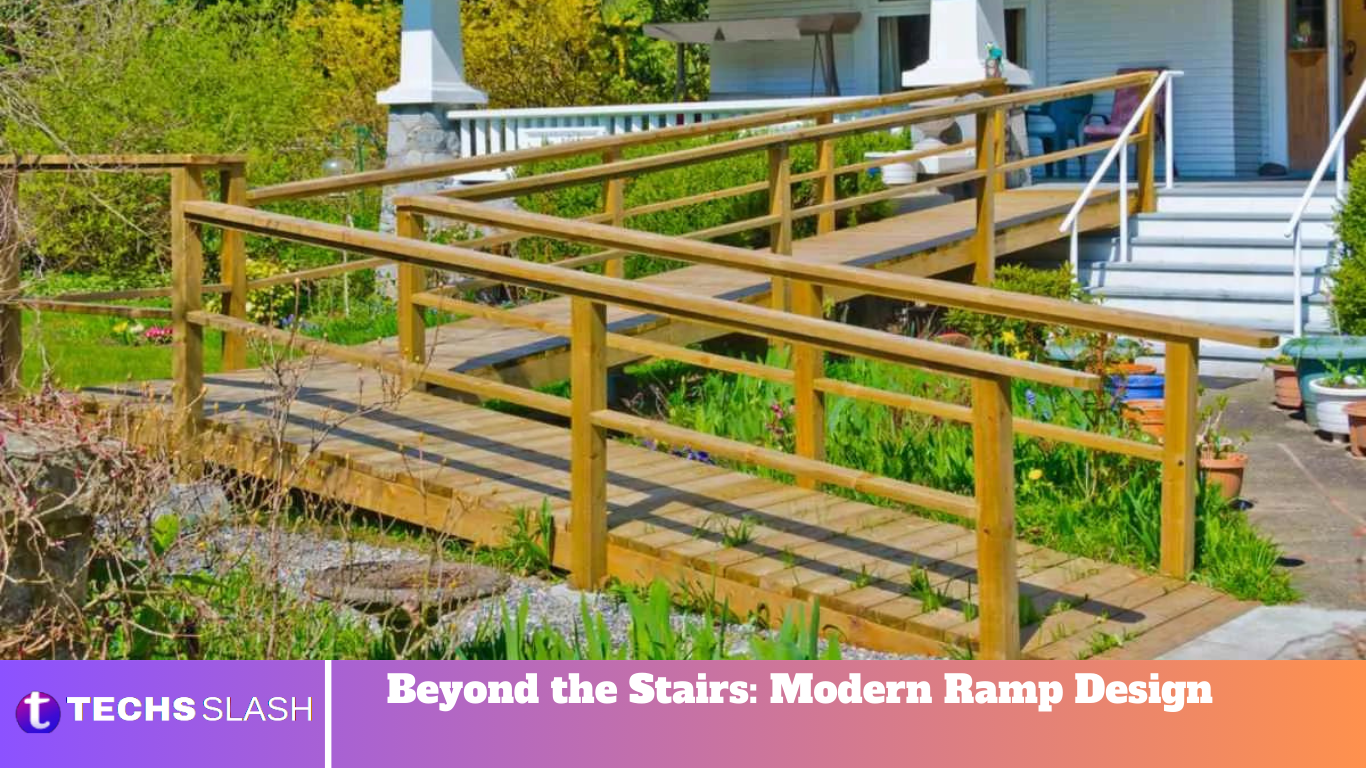
In an increasingly inclusive and accessible world, the significance of modern ramp design cannot be overstated. While stairs have long been the primary mode of vertical transportation, they can be limiting for individuals with mobility challenges. Modern ramp design has emerged as a versatile and essential solution, ensuring everyone can access spaces with ease. In this article, we will delve into the world of modern ramp design, exploring its importance, principles, and innovative trends.
Understanding the Need for Modern Ramps
1: Promoting Inclusivity
Modern ramp design is all about inclusivity. It ensures that individuals with mobility issues, such as wheelchair users, parents with strollers, or those with temporary injuries, can access various facilities effortlessly. In a world that values diversity, creating inclusive spaces is not just a choice but a necessity.
2: Compliance with Accessibility Standards
One of the key reasons for modern ramp design is to comply with accessibility standards. Governments and organizations across the globe have recognized the importance of creating environments that are accessible to all. Modern ramps are a fundamental aspect of meeting these standards.
3: Aging Population
With an aging population, the need for modern ramps becomes even more critical. As people age, their mobility may decline, and modern ramps can provide them with the independence they deserve.
The Principles of Modern Ramp Design
1: Slope and Gradient
The slope and gradient of a ramp are crucial aspects of its design. The ramp should be designed with a slope that is gentle enough for easy navigation by wheelchair users and others. Compliance with the recommended slope ratios is essential to ensure safety.
2: Non-Slip Surfaces
To enhance safety, modern ramps incorporate non-slip surfaces. These surfaces provide traction, reducing the risk of accidents, especially in adverse weather conditions.
3: Handrails
Handrails are a critical safety feature. They offer support and stability to individuals using the ramp. Properly placed handrails are a must for any modern ramp design.
Innovative Trends in Modern Ramp Design
1: Material Choices
Innovative materials like glass, stainless steel, and recycled plastics are being used in modern ramp designs. These materials not only offer durability but also enhance aesthetics.
2: Hidden Ramps
Incorporating hidden ramps within the architectural design is a growing trend. These ramps seamlessly blend with the environment when not in use.
3: Smart Ramp Systems
Technological advancements have given rise to smart ramp systems. These ramps can adjust their slope and height, making them adaptable to various situations.
Conclusion
Modern ramp design is a testament to our commitment to inclusivity and accessibility. It goes beyond just facilitating movement; it symbolizes our dedication to creating a world where everyone has equal opportunities. With innovative trends shaping the field, modern ramps are becoming an integral part of architectural and urban design.
