

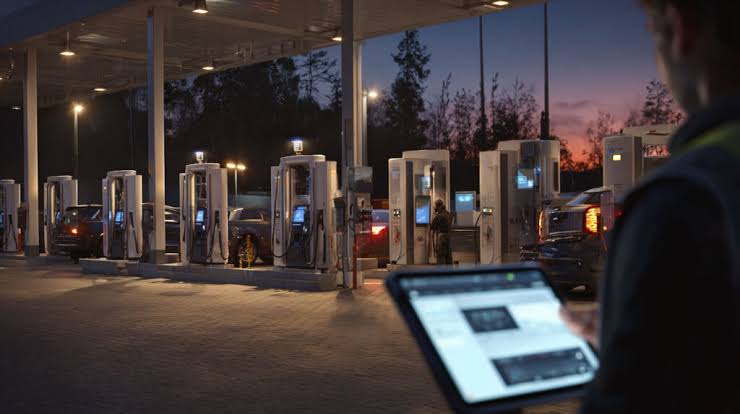
As businesses accelerate fleet electrification, one of the biggest challenges is not installing EV chargers — it’s ensuring the electrical system can support them as the fleet grows. A small charging setup may work well today, but adding more vehicles can quickly create capacity issues, higher energy costs, and expensive infrastructure upgrades.
This is where load balancing becomes essential. By intelligently distributing available power across multiple chargers, businesses can scale their charging infrastructure efficiently without unnecessarily expanding electrical capacity.
The Growing Challenge of Fleet Electrification
Fleet operators are transitioning to electric vehicles to reduce fuel costs, improve operational efficiency, and meet sustainability goals. However, charging dozens or even hundreds of vehicles requires careful energy management.
A typical fleet depot may need to support:
- Multiple vehicles charging simultaneously
- Different charging schedules based on routes and shifts
- Limited electrical capacity at the facility
- Variable energy costs throughout the day
Without proper planning, charging demand can quickly exceed what the building’s electrical system was designed to handle.
Why Traditional Charging Approaches Don’t Scale
The simplest approach is to install dedicated electrical circuits for every charger and allow each unit to operate at maximum power.
While this may work for a small number of vehicles, it becomes inefficient at scale.
Problems include:
- Expensive electrical upgrades
- Increased demand charges
- Underutilized charger capacity
- Limited ability to add more vehicles later
For large fleets, building enough electrical capacity for every charger to run at full power simultaneously is often unnecessary and financially inefficient.
How Load Balancing Solves the Problem
Load balancing allows multiple EV chargers to share available electrical capacity intelligently.
Instead of every charger drawing maximum power at the same time, the system continuously monitors energy usage and adjusts power distribution based on real-time conditions.
For example:
- A vehicle with a later departure time may receive slower charging
- Vehicles needed for early routes receive priority power
- Chargers reduce output when the building reaches peak demand
The result is a more efficient charging operation without exceeding electrical limits.
Maximizing Existing Electrical Infrastructure
One of the biggest benefits of load balancing is that it allows fleets to get more value from existing infrastructure.
Instead of:
- Increasing transformer capacity
- Installing larger electrical panels
- Paying for unnecessary upgrades
Businesses can optimize the power they already have.
Commercial charging solutions from companies like CyberSwitching are designed with scalable fleet environments in mind. Founded in 1994 and holding over 40 patents in EV charging and power management, the company develops commercial EV charging systems that support intelligent power management.
Their solutions enable:
- Dynamic load distribution across multiple chargers
- Scalable charging without major electrical redesigns
- Network monitoring and remote management
- Flexible charging configurations based on fleet requirements
For growing fleets, this approach creates a more predictable and cost-efficient expansion path.
Reducing Operating Costs Through Smarter Charging
Fleet charging costs are influenced by more than electricity consumption. Utility demand charges can significantly increase expenses when large amounts of power are drawn during peak periods.
Load balancing helps reduce these costs by:
- Shifting charging activity to lower-cost periods
- Avoiding unnecessary power spikes
- Maintaining consistent energy usage patterns
When combined with time-of-use electricity rates, intelligent charging can significantly improve the economics of fleet electrification.
Supporting Different Fleet Requirements
Not every vehicle in a fleet has the same charging needs.
A delivery van leaving at 6 a.m. requires a different charging priority than:
- An employee vehicle parked overnight
- A maintenance vehicle with flexible scheduling
- A vehicle returning late from a route
Load balancing systems allow fleet managers to prioritize charging based on operational requirements rather than treating every vehicle equally.
This ensures that energy is allocated where it creates the most business value.
Scaling From a Few Chargers to Hundreds
Fleet electrification rarely happens all at once. Most organizations start with a small number of electric vehicles and expand gradually.
A scalable charging strategy allows businesses to:
- Add chargers as fleet demand increases
- Avoid repeated electrical upgrades
- Maintain centralized control across locations
- Adapt to changing operational needs
Without load balancing, every expansion phase becomes more complicated and expensive.
With it, charging infrastructure becomes a flexible platform that grows alongside the fleet.
The Role of Software in Modern Fleet Charging
Load balancing is not only a hardware solution — it depends heavily on intelligent software.
Modern fleet charging platforms provide:
- Real-time energy monitoring
- Automated power allocation
- Usage analytics
- Remote system management
OCPP-compatible charging systems also allow integration with third-party management platforms, giving fleet operators more control over charging operations.
This software layer turns charging from a simple power connection into a managed energy system.
Why Reliability Matters for Fleet Operations
For commercial fleets, charging availability directly affects daily operations.
A charger failure can result in:
- Vehicles leaving without sufficient range
- Route delays
- Increased operational costs
- Reduced fleet efficiency
Reliable commercial charging equipment combined with intelligent load management helps ensure vehicles are ready when needed.
For fleet operators, scalability is not just about adding more chargers — it’s about maintaining dependable performance as the system grows.
Final Takeaway
Load balancing is becoming one of the most important technologies in fleet electrification.
Without it, businesses may face unnecessary infrastructure costs and limited scalability. With it, fleet operators can maximize existing electrical capacity, reduce energy expenses, and expand charging infrastructure more efficiently.
The future of fleet charging is not simply about installing more chargers. It’s about managing energy intelligently — ensuring every vehicle gets the power it needs while keeping the entire system efficient and sustainable.
